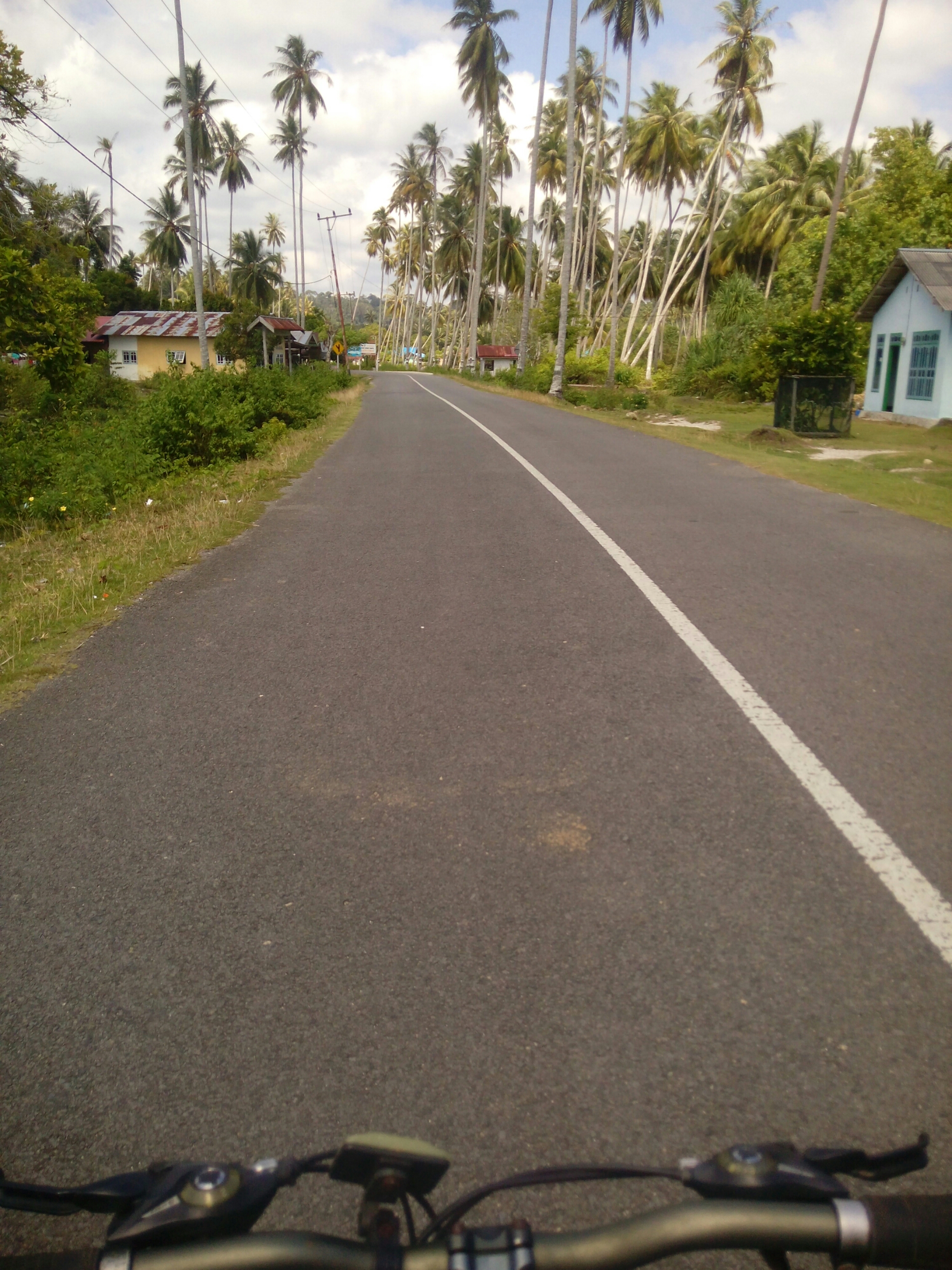
1st How to get to the interesting bit. Mountain bird head peninsula crossing, West Papua


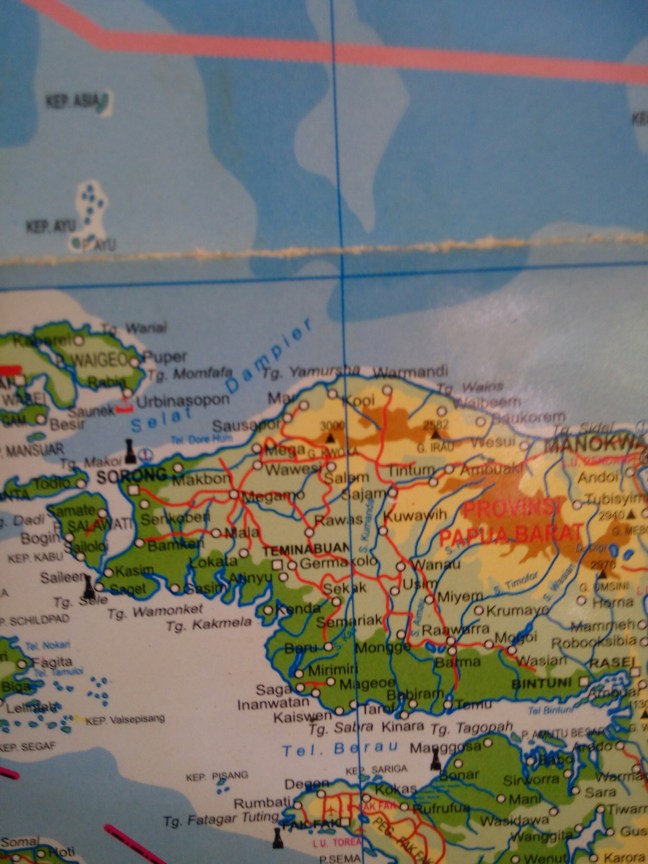
From Sorog I hitchhiked my way asking to be drooped at Ayamaru first.

Be carefully, twice I did this way (the first for some tourism, to the lakes of the region of Aitinyo, see here a bit) and twice I was driven first to Tembubian, 50km to the south.

There is a road under construction to Ayamaru junction from there , but it adds 100km…

From Ayamaru then ask to go to Susumu, where the junction of the road that goes south to Bituni, and north to Manokwary is.

I would consider this the center of the peninsula as it links the 3 big cities, but it’s just a small scattered town, no good connections yet.

From Susumu the next big town north is Ayamasi, then the last town before the mountains is Konja.

This trek shall be around 50-60km from the junction (I went back and forward so I lost count). All around this road I would suggest to make your stop before attempting the mountains. The obvious place is Konja, as from there is only a 10-20min ride to the bridge that starts everything.


You can also directly ask for Manokwary road, you will get strange looks but it might work 😀

For accommodation don’t worry, walk around and somebody will offer, or your hitch, if you hitchhiked, will be more than exited to have you over. If not ask around politely and you will find a place and probably be fed. And of course if you bring your tent or hammock it’s always easy to find a roof in case it rains. Is not cold at all.

Well if you are attempting this craze I guess you already know that 🙂

I was invited to Kumurkek to sleep, south of Ayamasi, so on Sunday that nobody drives there and I had to walk my way quite a lot until the mountains. Still I got 3 rides, one special one in which half the small town of Man rode me to the bridge to enjoy the spectacle of a Buleh (westerner) walking alone up a 3km long 30% slope carting 15kg.


The road until there is good, with its bigger or smaller potholes to remind you where you are.

After that bridge what is the welcoming of the adventure. Thank you.


Next the interesting bit.


Independent mountain crossing of West Papua bird head peninsula Sorong to Manokwari on the Mountains, integrated Dante cross.

image

I did this trek and it took me 4 days. There are 100km give or take of Mountain road, plus another hell Mountain bit later on (more on that later).

Here is the GPS track of the interesting mountain crossing bit.

And I’ve put several viewpoints in OpenStreetMap using Maps.me, when I have time I’ll add other info like towns using a better editing program. If you download the West Papua map you shall have them as reference. Anyway there are not that many options there to get lost.

First, how to get to the interesting bit.
The interesting bit is 100km, where only your 2 legs (and an excavator :D) will get you trough.

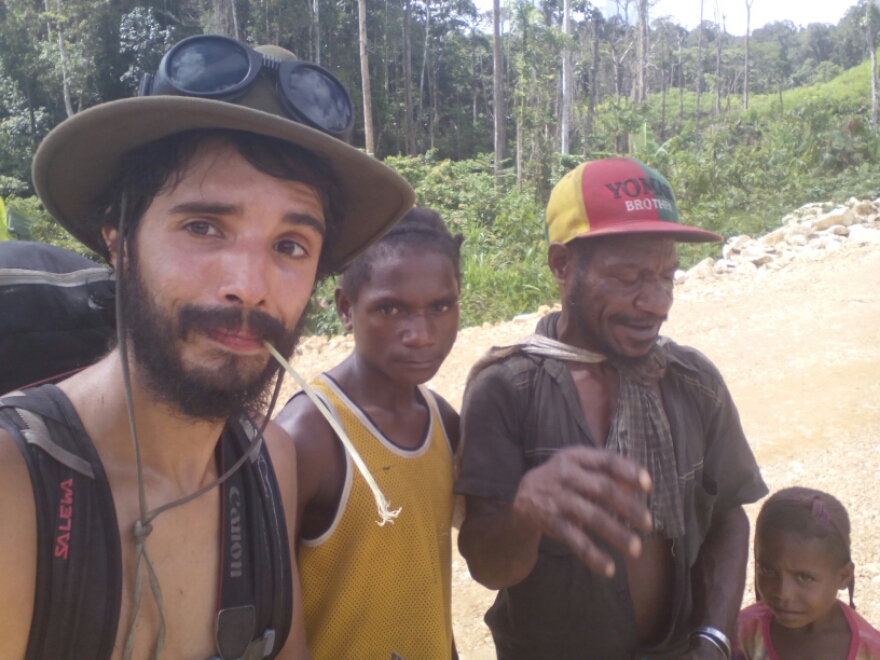
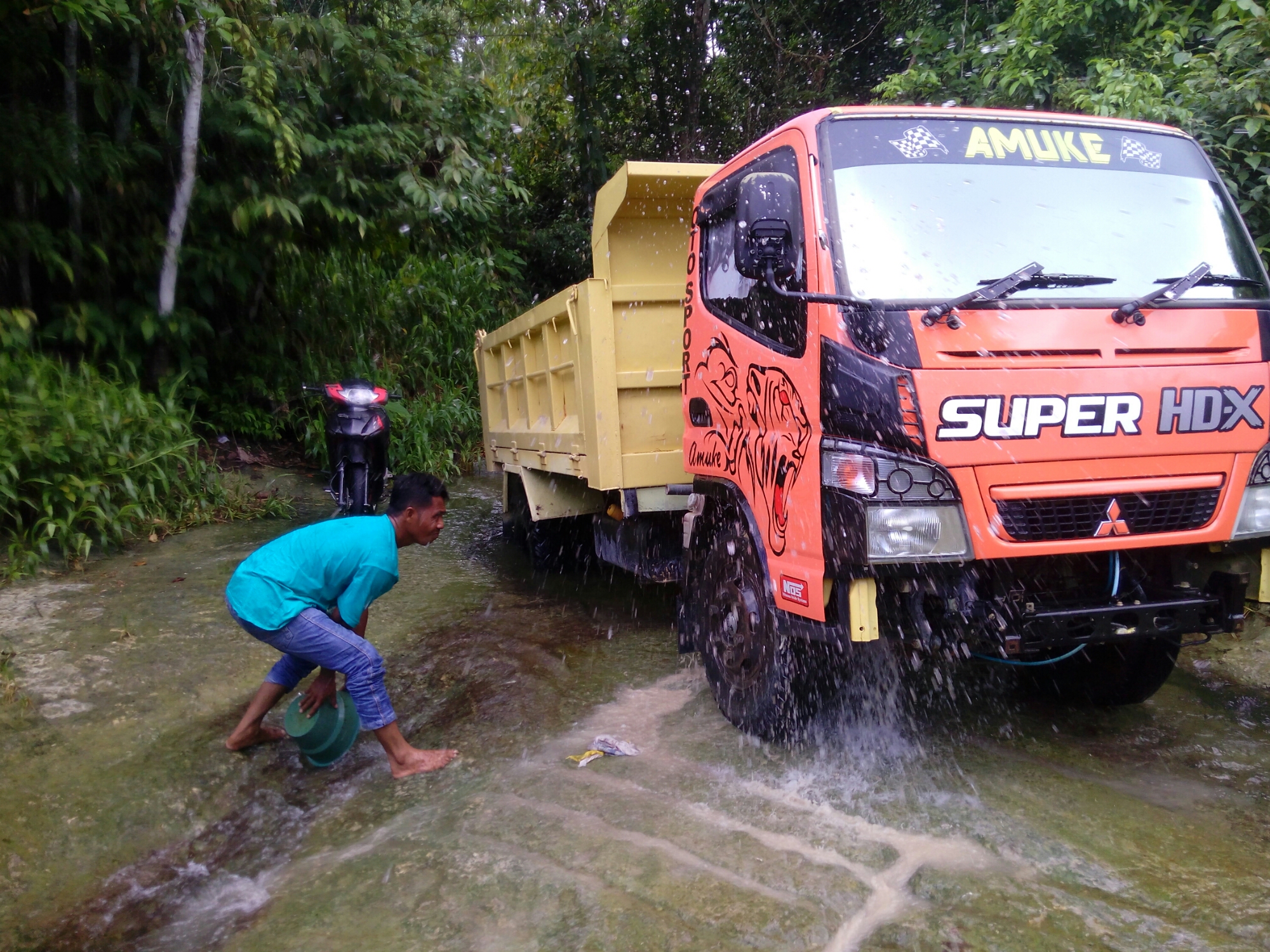
Second, the interesting bit, 100km of unpaved, rainforest mountain road. Hanging bridge, excavator river crossing, and bow and arrow hunters!

Third hellish hitchhike. Integrated Dante road (hell and Paradise all at the same time) Well is just my personal experience, you can ignore it and just Head Manokwary, it’s easy 🙂

Diaris de Papua, dia 8, 4a llei del viatger solitari

image

4th law of solo travel: join the locals in whatever they do, if you can.

Pel matí  tots s’alcen tart. Jo explore la pisifactoria, hi ha més de 12 piscines de cement, a més de les xarxes al llac artificial. Nomes es gasta la metiat de tota la infraestructura, si arriba. Deu haver estat una gran inversió per a la zona.

L’home de la pisifactoria m’havia dit d’anar amb ell a l’església hui, però al final m’envia altre cop amb el guia. Li pague la gasolina. Em du fins a la intersecció en la carretera que du a Teminabuan, on aniré hui.

Camine i veig una festa en honor a un mort, es fa al cementeri, sobre i al voltant de la tomba. La gent balla en música pop a tot ostia i beu. Curiós.

Una moto em du fins a un poble gran, on les esglésies de diumenge. Estàn cantant i fent sonar el timbal. Estic fins que comença la misa, que és  en Indonesi.

***
És cert que quan eduques a algú, siga un xiquet, un adult, una societat, el 1r que ensenyes sobre un tema és el que més  força té. Açí l’evangelització, proselitisme, ha estat portat per cristians, serà difícil canviar-ho per molt de temps.

Dones barbudes són molt freqüents, quan dic barbudes vuic dir en perilla, bigot, i una en una barba plena, no sabria dir percentatges però segurament més d’un 1% és així.

També hi ha molts alvins, no sé si arriba a l’1% però és més alt que a la resta de societats que he estat.

Seria interessant estudiar la genèrica ací.
***
Un altra moto que du bidons de peix  m’agafa i em du ja fins Temi.

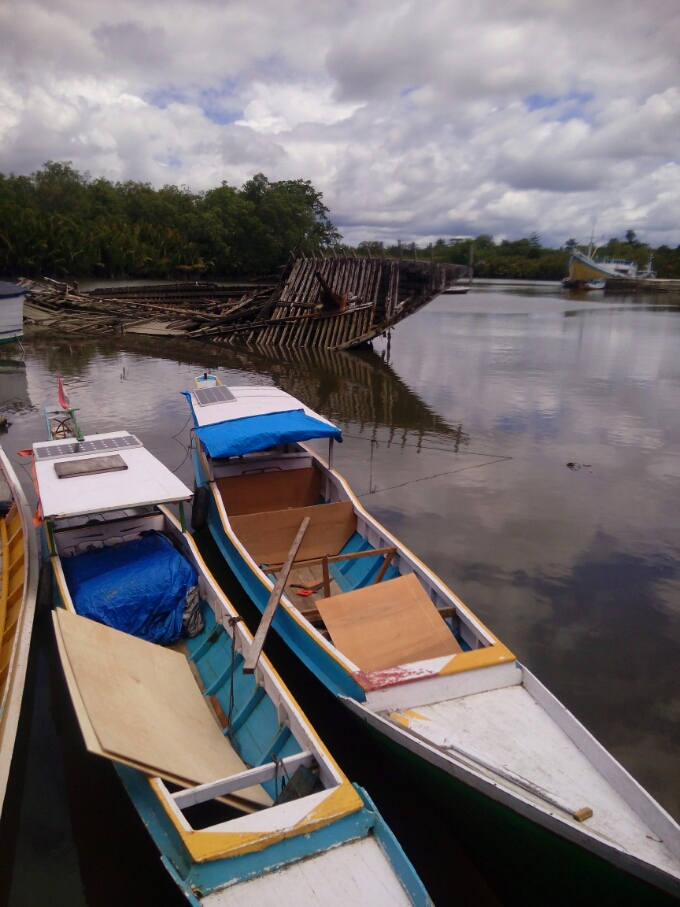
Allà explore la ciutat, on el més interessant és un carrer que transcorre vora riu, amb molts carreronets xulos que hi donen. Les vistes del rou amb tot de barquetes i restes de naufragis molen molt.

Dine allà i vaig cap a la carretera principal per tornar a sorong. Seguint carreronets em topete en una cascada on molts xiquets i adolescents  juguen. La corrent és molt forta. És molt divertit tirar-s’hi i deixar que t’arrastre 🙂

4a llei del viatger solitari: unis-te als locals en qualsevol cosa que fagen, si pots.

Continue l’autostop i.una furgo pickup plena de dimingueros wm deixa a un riu amb un parc per nadar.

Els rius per grans que siguen són d’aigues turqueses i cristalines
Supose que així es com rius sense presència humana i sense grans erosions haurien de ser.

Una pickup em du ja tot el camí cap a Sorong, però decidisc parar en un poble que sé el nom, per fer quelcom simplement, resulta ser una magnífica d’edició!

El poble es diu Maladofo i té un parell de cases comunals tipiques (res d’especial però) i els xiquets que em seguixen, com no, em mostren una casa vora carretera que és una galeria d’art.
Els quadres estàn pintats segurament per un local. El llenç són  antics sacs de plàstic :P. Algunes obres estàn molt bé, la majoria són passables però demostren skill.

La situació de ser mostrat el més vluós del poblat ç, tot i que l’autor no estiga, em recorda a el que passava a Sagunt abans que hi haguera turistes regulars. Sagunt és digne de vore però fa 100 anys poca gent s’interesava. Només algú de tant en tant visitava. Hi havia un mosaic romà  que es podia demanar la clau per visitar. Com els locals no li donaven importància no hi havia vigilància, fins que un dia va desaparèixer.

Es a dir, en presència de baix nombres es confia en el visitant ja que és  l’únic que valora el que hi ha localment (fins els 80 m’atreviria a dir que els saguntins no començaren a apreciar les restes històriques).

El món és igual a 13.000km de distància i 100 anys apart 😛

Continue l’autostop i una gran pickup em deixa anar darrere. Agradable conducció en la.posta de sol, fins que torne  ca’l Ramón.

Boat Hitchhike Sulawesi to Maluku to Papua, 8 Days in Alken Prima

image

Here I’ll  summarise my experiences of the 9 last days of my life hitchhiking  of a cargo ship crossing the dream seas of the north east of the Indonesian archipelago :D. For reference to anybody wants the info to have an amazing unique experience.

The hitchhiking itself was really easy (and lucky) one in Bitung multiple harbours. Unlike previous ports here all the harbours are open to the public. The only restriction that i found was in the big cargo container where they didn’t allow me to take pictures. Although apparently i was allowed to walk around,  the security guy was not enthusiastic…

I started with the generic cargo harbour and the third boat I asked, Alken Prima, told me that they where going to Maluku on that night (10pm) and that they had no problem in getting me in. Jackpot!

Just in case I asked ALL the harbours in Bitung. I got a couple more that told me that where going in 2, 3 days, and probably could take me, and a small one, of the likes of my first boat hitch, was going next day. But they where unsure if I would be allowed by the police. I guess with a bit of patience and trying I would have gotten into one of these, so my advice is that Bitung is a great spot to hitchhike boats!

On the Alken Prima easy ride. As I later discovered the boat is a cargo ship that circles from Bitung in North Maluku, to Sorong, in west Papua, doing a more or less scheduled 2-3-4 weeks route. The ends I guess are fixed but it changes slightly in each iteration, as I saw in their nautical charts the old itineraries.

image

So if you happen to hit on Alken they can bring you all the way on direction or the other, it took me 9 days to cross from Bitung to Sorong :D, you can wait for it!

The first thing I discovered is that it is not a normal cargo ship, but one that also carries people that go to really remote small islands. That probably explains why it was so easy to carry me.

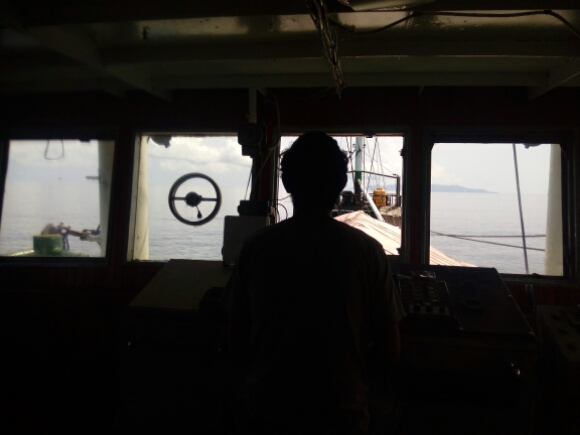
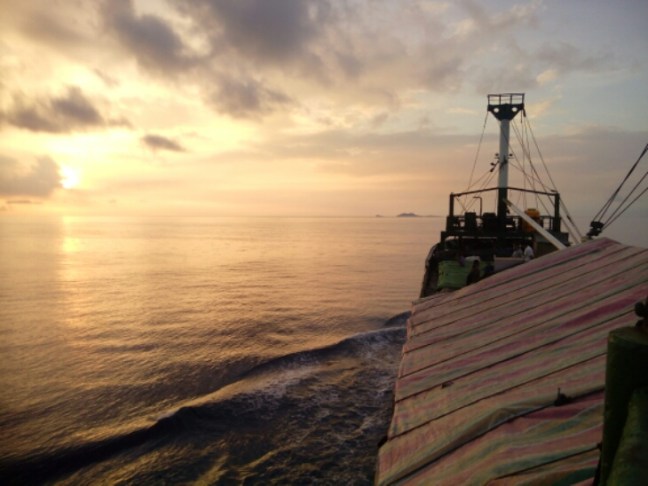
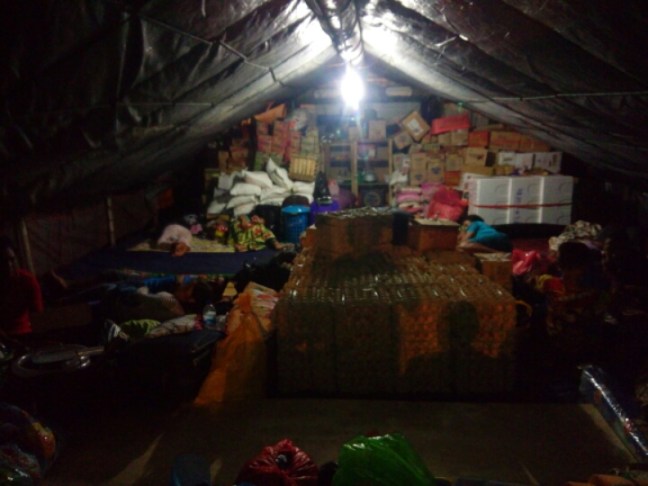
When I went at night they had build a tent over the deck where all the passengers would stay. Well  I was not passenger and I went to the commanding cabin to take pictures of the departure. Then I slept on the open section of the deck, the stars where amazing in the moonless night. Big Milkyway crossing the celestial cover.
image

I was concerned that they might think I’m  another passenger, some crew  asked me where I was going to sell me the ticket. But I said “numpang” and that was the end of it, nobody ever asked me for money in the  following days.

I can positively say that they where happy to have me there, I don’t  know to which point because of the exotism of the “orang buleh” (white man) or because my child like behavior made them happy.

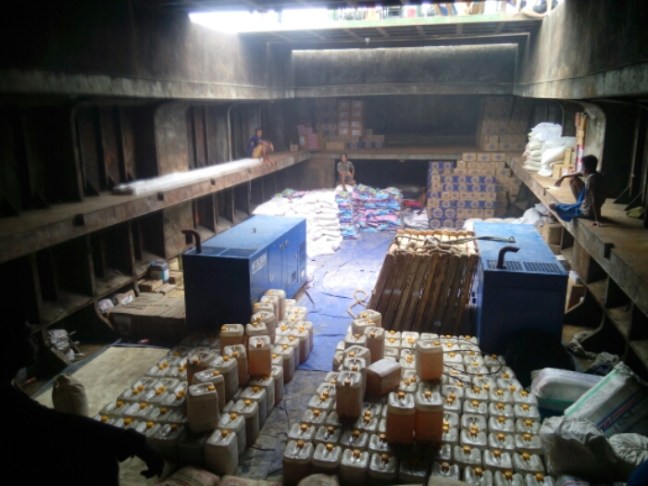
On the fist cargo unloading  occasion (anchored in a bay, far from land), I jumped to the sea, joined some locals ashore, ate coconuts, went back swimming, boarded the ship by climbing the crane net, helped load and unload the rice and cement (“semen”) into the small boats that took the cargo, and swam again. That seemed to amaze the crew and locals quite a bit 🙂
image

Anyway play your  cards and see how the game goes.

I never asked for food, but this being Indonesia they kept insisting in feeding me. It was simple fish and rice but nutritious and I was always thankful of being feed. Still when we could land I usually ate there or bought supplies. I also shared what little snacks I had.

My plan was to work helping load and unload cargo to help the crew, but soon I realized that non of the crew roles involved loading cargo, that was left for the people at the harbours to do. So after they telling me that I shall not help and since I’m  not helping them, then I never did a long term work helping on the cargo. Only small jobs when going or coming back from my excursions, allowed because of being free from the cargo work that I self imposed 😛

Anyway I did help peeling hundreds of mini onions and garlic, from what i gained the use of a motorbike for me in one of the stops 😀

One of the things that set me apart from other passengers was sleeping. I slept for the first days on the floor of the commanding cabin.

image

Unfortunately that involved sleeping next to the speakers during European Champions league, which in Asia is transmitted live at 4am…

Finally I moved with my hammock on top of the cargo next to the passengers. Although not always there where passengers, sometimes the deck was empty.

One nice thing if life on board is that you have everything that you  need, that involves also a bucket shower and a place to wash your clothes and dry them, quite convenient 😀

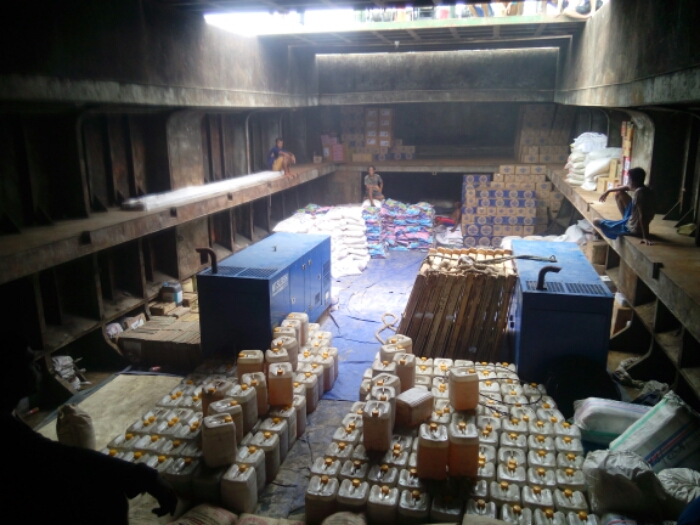
For me one of the most enjoyable experiences on board is simply living the cargo flow. It’s logistics in front of your nose! Seeing cargo being loaded, transported, and unloaded 3 islands away… Imagining the way that ware had to do to get there, how and when it was made, the way it will go, it’s use, and the links of people that are needed to get it to do what it has to do where it has to be, well it amazes me!

That amazement was for beng onboard and landing, but obviously one of the best opportunities is island jumping! To be so fortunate to land on remote, out of the path, islands and villages, well that is a priceless experience.

Seeing how people can  live in 1km long islands, how the culture and societies change stop to stop. Stopping in a 200 meter deserted islands, in stray cat islands, stray dog islands, talking about cannibals and seeing their weapons, the mixture of curly haired, blond Papuans and smooth haired dark Indonesians, with their own huge range of diversity …

Then the camaraderie of the crew, the atmosphere of feeling welcomed and happy to see you that is common in Indonesia, gets a boost if you add the feeling of being part of a  crew.

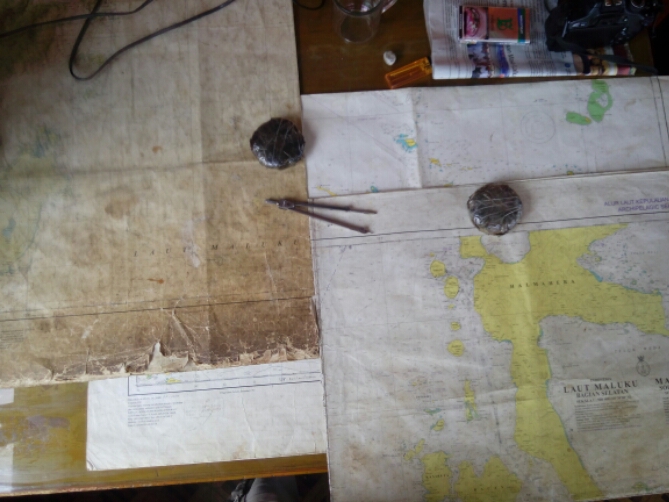
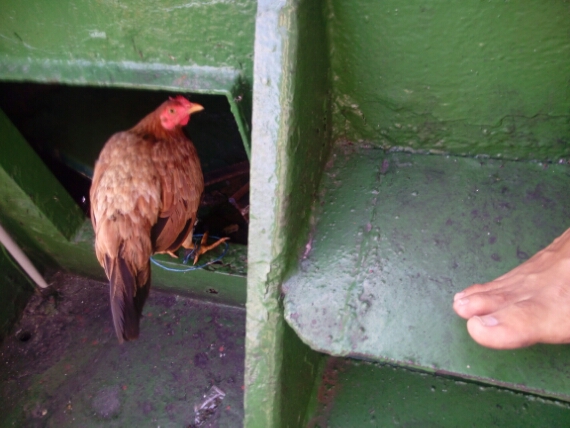
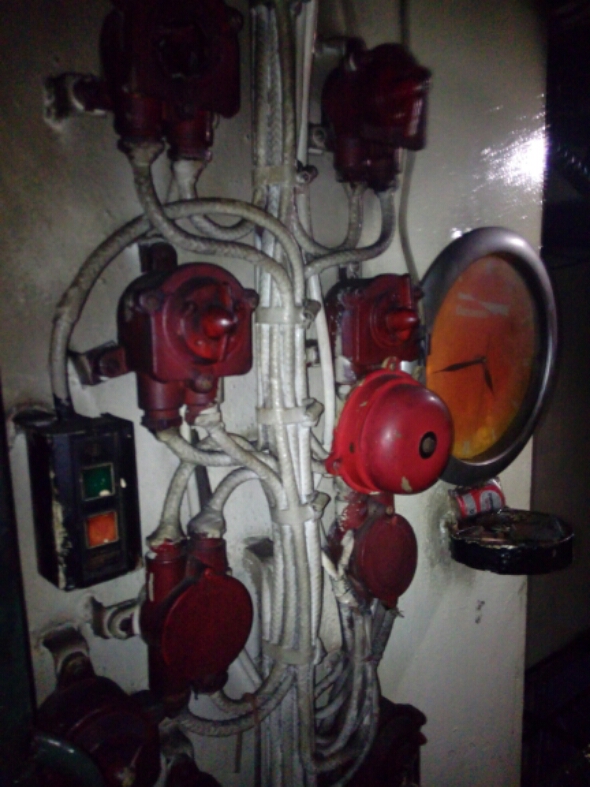
Playing games, helping on small task that you can, eating with them, swimming, discussing the nautical charts, talking about everyday life. Wondering why there is a chicken tied to a hole under the commanding cabin…
image

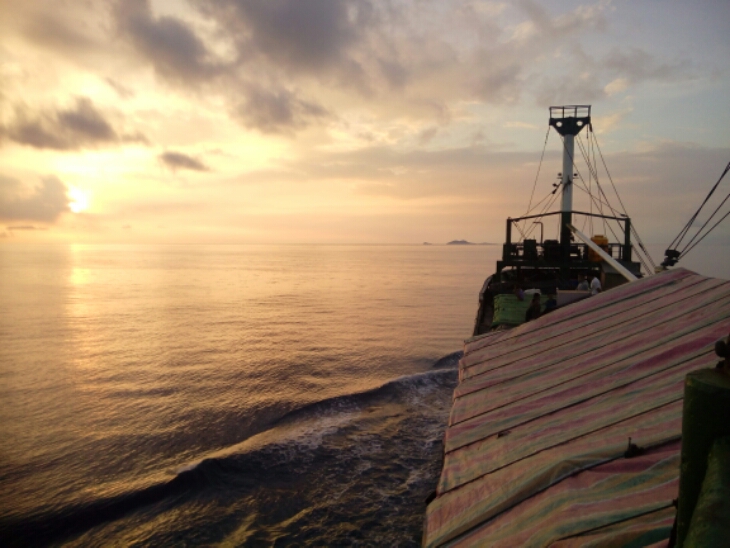
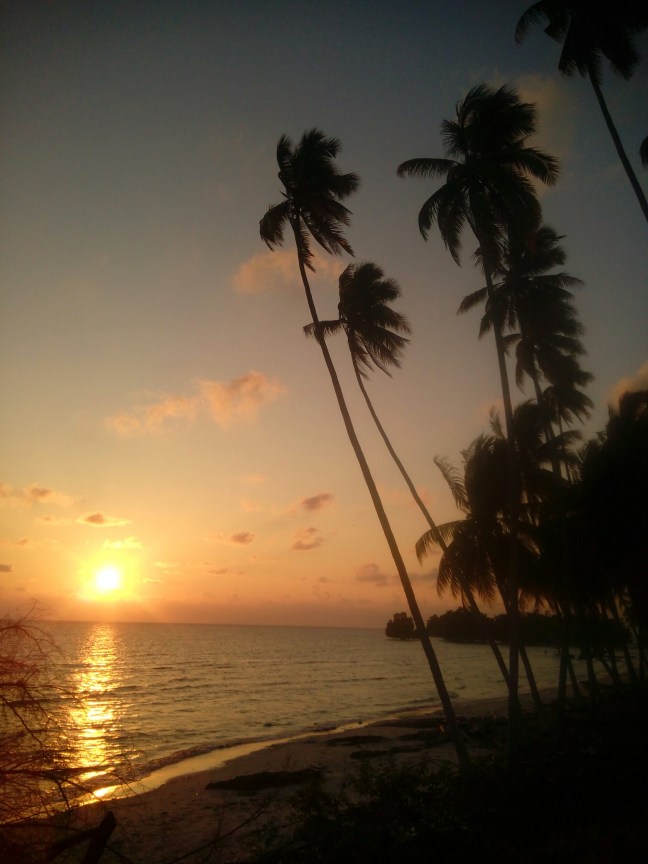
Finally the sea life. Sea, waves, the scenery and islands coming and going, dolphins, whales, sunrises, sunsets, stars, milkyway…

All in all, if you have the time try to hitchhike a boat! even if you are not successful just wandering on the harbours and sea front is a photography wander! Boats, old and rusty and shipwrecks, to new and shiny. From small and colorful to huge and black and white. Frenetic activity or ghost harbour. Colours, goods, cranes, cables, fish, water, sea… On addition on many cases feeling that you shall not be there yet you are (until they detain you :). Finally the odd chance of being accepted in one of that monsters, and the adventures that await!
image

Borneo diaries Days 24 & 25, Biduk-Biduk, BidukBiduk, Biduk Biduk, beach hidden paradise, east Kalimantan, not in lonlyplanet :D

image

I’ll indulge and write this in English because it has to be shared with the world! Catalans are not enough to conquer this :P.

There is no way in which I can overstate how perfectly beach paradise Biduk-Biduk is, and I been in Majorca, Menorca, Guadaloupe, Tenerife, Nicaragua pacific coast, Phu Quok island, Vietnam coast. The fact that I just met it without expecting it might bias me, but still there is no way I can exaggerate using mere words and photos.

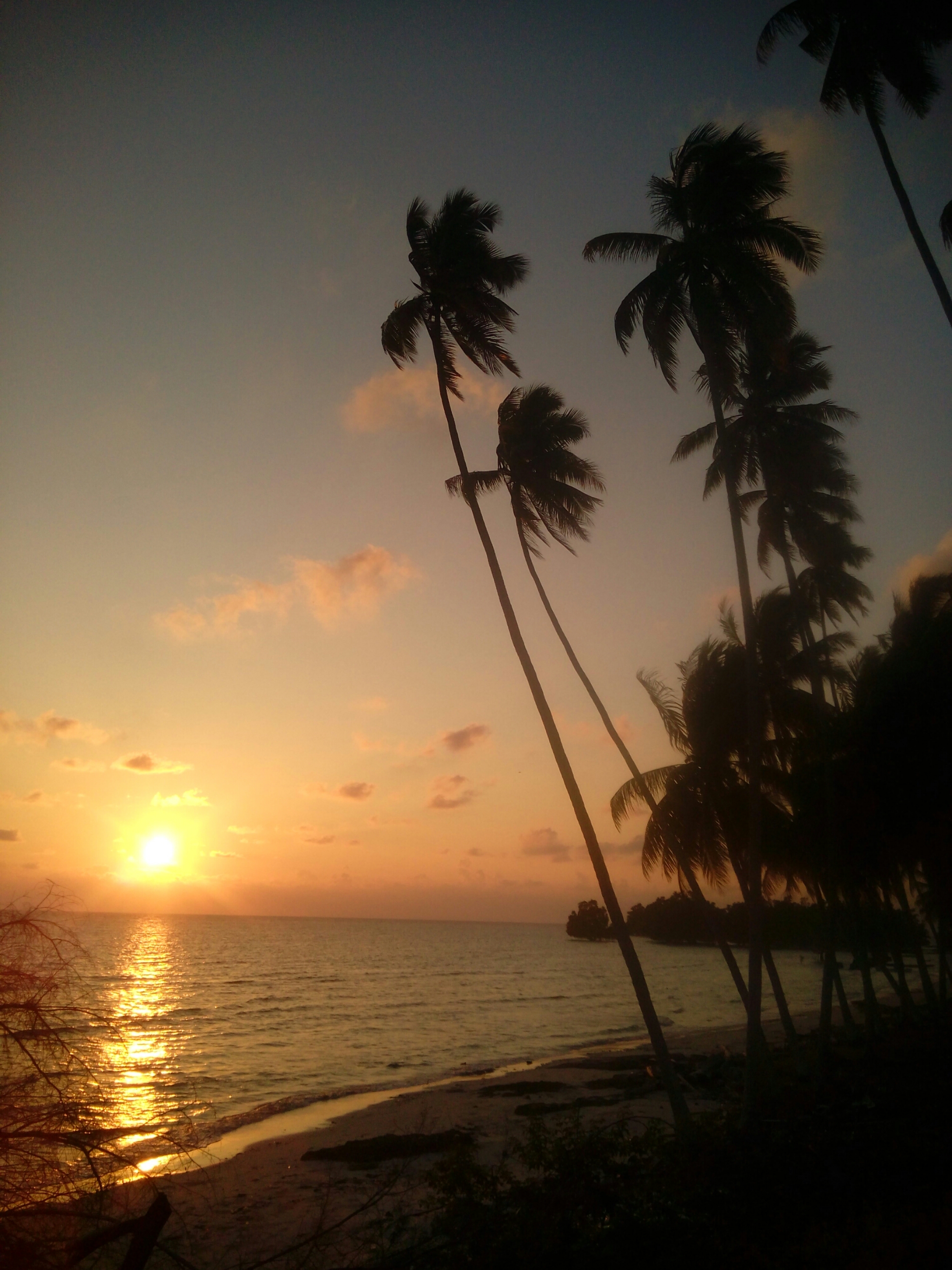
Where to start? lone trees hundreds of meters inside the sea? that’s a peculiar image, but it is just part of the turquoise cristal waters touching long white coral beaches, that at low tide are hundreds of meters wide (thus explaining the trees). Around 40km of tall coconut trees beach road. Villagers fantastically smiling, helpful, eager to interact, living in beach houses with grass lawns perfectly trimmed by the cows and goats that wander around. Beach cows. Evening mixed gender volleyball.

That’s the general 40kms image, broken only by some mangroves forests that extend on the beach, specially on the coast facing east. That makes it even more interesting on high tide as you have unique forested beaches with fresh/salt water mix, and walking tree climbing fish that jump over the water! yes, you entered a nature documentary.

image

If that’s not good enough there are beauty spots, local attractions and 3 small islands (from Teluk Sulaiman to Sugeindin pulau; a group of 7 Indonesians paid 150k rupiah per person 3h excursion), this would keep you entertained!

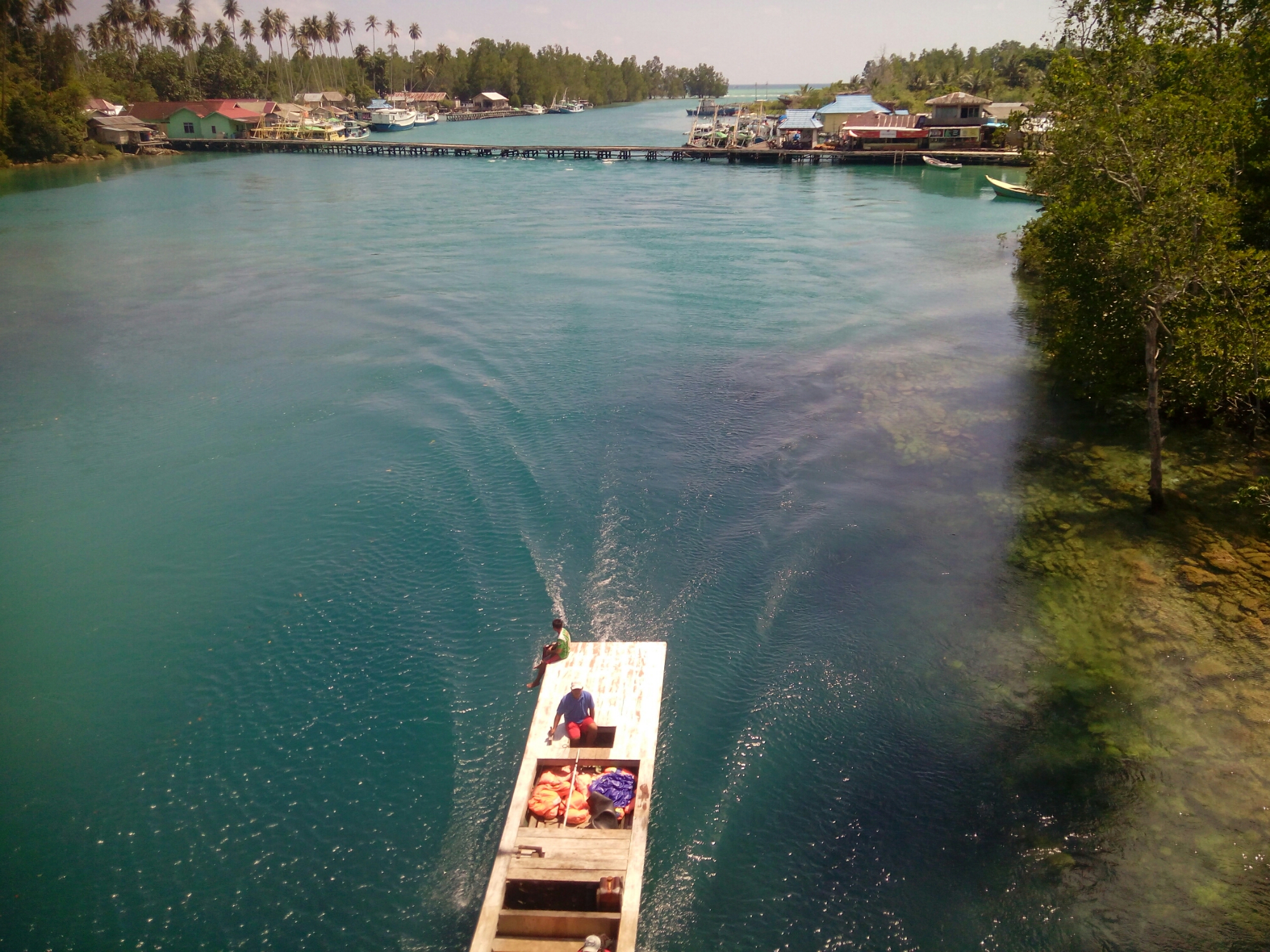
These spots include 2 or 3 medium sized rivers with complete transparent cool fresh water (the first wide river with clear waters that I see get to the sea!). One of which, Labuan Cermin (pronounced labuan jambir) has a boat service (quite expensive I heard) that drives you to a turquoise lake that has a top layer of fresh cool water and a bottom layer of salt warm water. That’s supposed to be the main attraction here, but I saw no tourist there 🙂

image

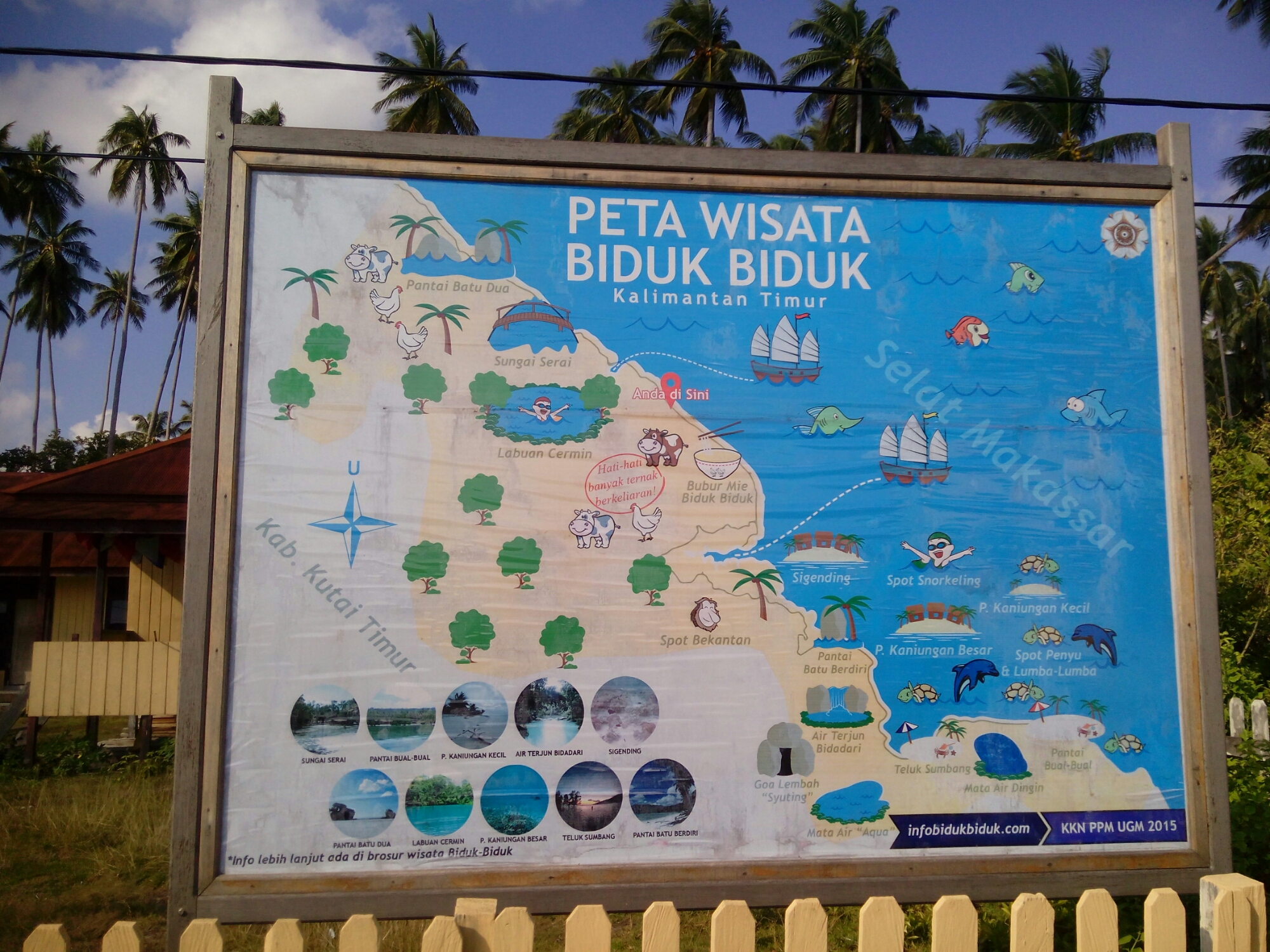
Other attractions include what can be seen on the map. Accessible are the rocks beach (pantai batu dua), literary 2 rocks beach, and Labuan Cermin harbour, full of delightful fishing vessels and cristal waters. You can do long walks, get a bicycle or moto (I still don’t know how, my host simply offered me a motorbike but I took the bicycle :D) or hitch a ride, really easy to do with the locals eager to help you.

image

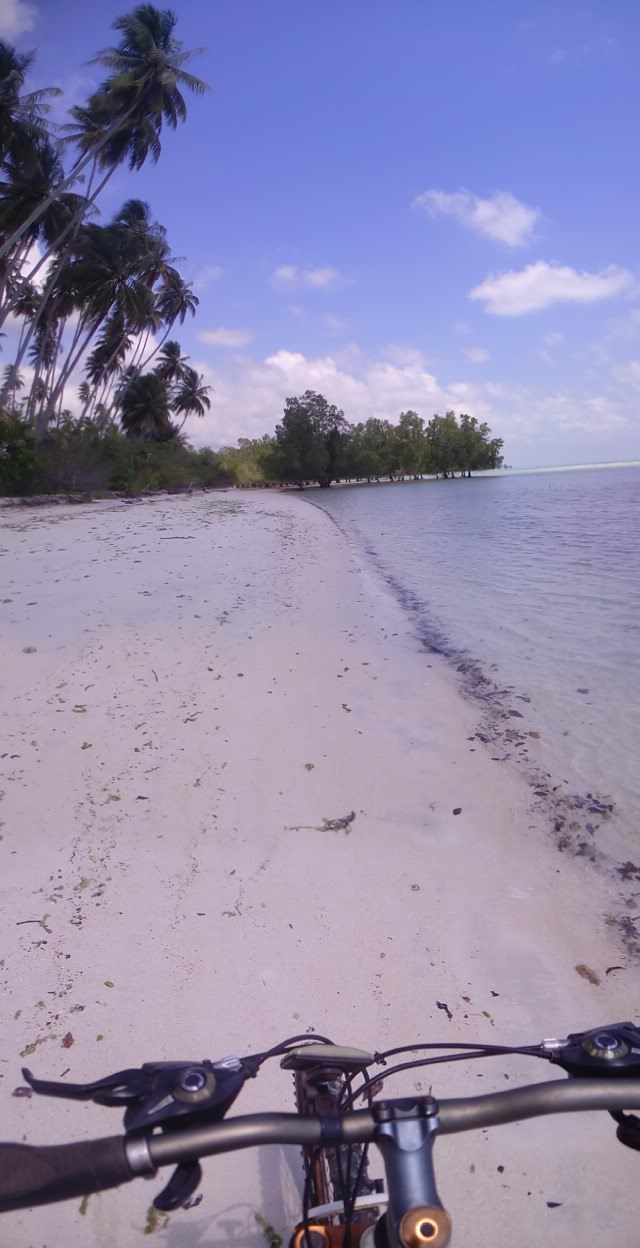
The roads are well paved and virtually flat! And the tidal beach has so fine sand and so compact that you can ride your bicycle in there (but still becomes tiring after few kms). Seeing the fast running crabs moving fast as you pas has no price 😀

image

For the southern spots there is need of transport because the road is not paved, but mostly because of the lack of transport to hitchhike and long distances to walk. I guess there are no villages, or only few on that road. The road is not signaled at all. The coordinates of the entrance are:
1.173659 118.76805

I didn’t have the time to explore the waterfalls and cave, but I figure it would be close to impossible to find without a guide as there is no signaling… Something fun discovering 😉
This area is surrounded by sizeable mountains, 400m tall at least, so there is also a hike to be done!

There are at least 5 or 6 accommodations that I could see, stretched for few kms (hotels, losmen, guesthouses, homestays). I don’t know the prices as I planed to camp but was invited to a policeman house :). It shall be local price as the only tourism that I seen seems Indonesian (all the tourism in I’ve seen 3 days amounts to just one lone traveler, the 7 people group and 2 girls taking pictures). The info and signs are only in Indonesian, except for few “welcome”.

If still the accommodation is over budget you can hang your hammock in between 2 coconut trees, or if it rains, camp anywhere, or pick an empty or in construction house. Or just like me, law of solo travelers, let things happen and you might get hosted by a local 😀

image

But not all is perfection in paradise, few things missing:

Hammocks! There are non, a beach paradise without hammocks is not complete, but that has easy solution (specially when I’m carrying one :D).

Backpackers community. That might seem like a good thing but there is plenty of room to be alone if you wish, so having someone interesting to talk with (backpackers usually are) would be a good distraction. Also backpackers means books! and books are the best company in this environment.

-There are not many activities. The most engaging that I did involve peeling one or two dozens of coconuts, teaching kids English, climbing sea trees, teaching kids how to swim, selecting and unloading landsat fruit from cargo ships, fishing with a hook and swimming with kids in between the cargo boats. Last but not least, hitchhiking a boat to Sulawesi (the reason I came here, more on that on the next post 🙂

Despite these, and being aware that they are not everyday activities for many, extra distractions by fellow travelers are welcomed, specially for long stays. That’s why I’m writing this, this place could easily be a backpacker paradise 😀

Internet. On the no distractions side, there is no internet connection trough 3G, although there might be some internet cafe, ask around but don’t expect high speed… I did get 1G in certain areas for a working instant message (text only) communication.

English . Don’t expect anybody to speak more than few words in English if at all 🙂

Trash collection. The trash on the floor is not widespread luckily, but you do spot it here and there.

Transport. As far as I’ aware there is nothing like a bus, and the road connecting here to Tanjung Redeb (the closest city) is not even in google maps (but it is on openstreetmaps for most of the track). It is quite bad for the first 100kms or so. I Hitchhiked here the 250kms in 6 or 7h. If you have your own transport this is an ideal destination. And it might be that there are some boats to Tarakan, but I’m not sure.

-No easy swimming at the afternoon. In the equinoxes the tide is maximum and minimum in the equator, specially in new moon.That means that for low tide (afternoon to evening) the water is hundreds of meters from the shore. It’s a nice walk with plenty of sea life (fish, running and burring crabs, sea stars), but the hard noon equatorial sun reflected on the white sand has no clemency. Still the morning and evening swims are amazing, and you can get yourself in one of the rivers for noon, or simply nap on a coconut tree shadow.

Known future. I don’t see risk of any big development threatening this parts, but nature might. I seen plenty of spots where is clear that storms are eating the coast, therefore some stones and concrete barriers are being build affecting the beauty but protecting the road and houses. I don’t know how fast the destruction is but at some point this is meant to look different.

All in all it’s so amazing that I could not stop greening for hours realizing how luckily I was to be there.