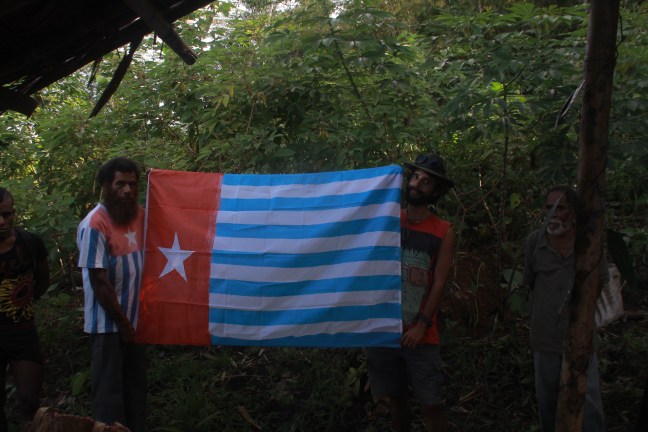
Meeting the Free Papua Movement in the Jungle.

IMG_2354

As with hitchhiking boats, it’s quite easy.

Wake up in the morning, follow some guys in a muddy, labyrinthine, flooded jungle track for almost 2h and you get to the “especial place” gathering.

How to get these people to show you the way is another story, but involves books 😀

Once you reach the nice gathering place you learn how Taro is cultivated: you take the plant, collect the roots (sweetpotato like, but thicker and drier), put the branches on the hole again, wait for 6 months, repeat. They also hunt opossums as meals, food is not a problem :).

Then the gathering, most of the people are old men. Everything starts with a prayer, then a summary of the news. Worryingly they think that by September the UN will vote for West Papua to be independent, UN will send troops to kick out the military and police troops and give them a brand new country.


Well, no, the world does not work that way, while all the same the world does work that way in their minds.


Being of valencian origin, catalan culture,  growing on the ashes (50 years after) of spanish civil war, failed coup attempt 4 years before I was born, ETA terrorism, West Sahara as an ex colony of spain recolonized by Morocco, and the current independence politics going on, thatbcomes handily when  grasping the settings anywhere else in a struggle of any kind.

From its complexities to its simplifications.

I’ll go for its simplifications as it’s simple, far enough, any other thing would be a book and not a blog post.

Shortly: West Papua colony of Netherlands, UN in the 60-70s wants all the “nations” to lose the colony status, the Indonesians want more land (as it was on any “nation” mind the last 500 years), Netherlands controlled Indonesia, it controls West Papua, So West Papua is indonesia, Indonesia controls it now. Locals no happy, struggle, killings, repression, attacks, more repression, hiding, paranoia and fear of the outside world getting in, shutting of information in and out, government afraid, indigenous ignorant and angry. And this is the “simplified”.


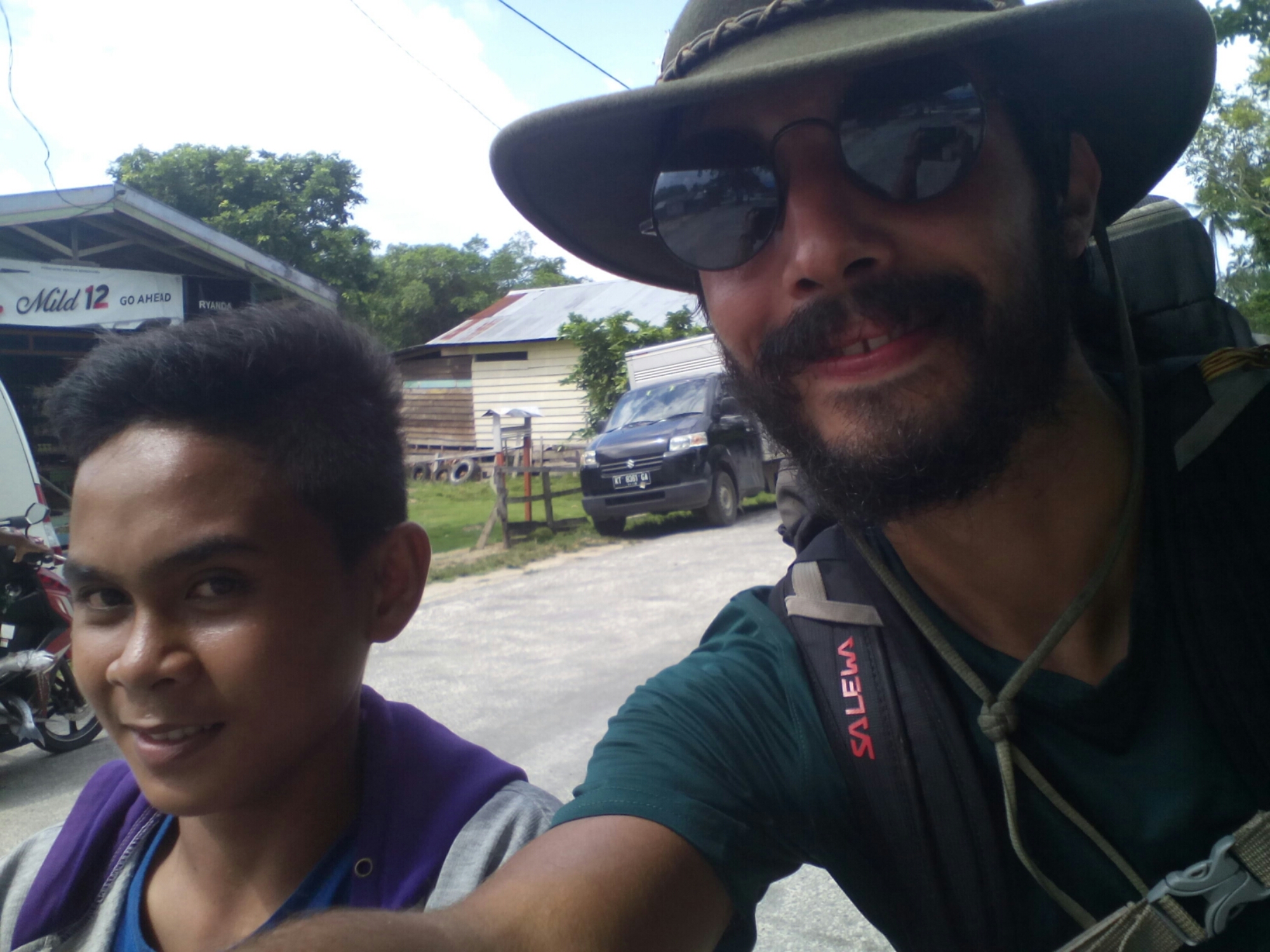
I’m told I’m the first foreigner to ever go there, the conflict runs since the 70s (68-69 all started escalating). That can give you an idea of how things are going. Basically as now no foreign press is allowed to roam freely in this part of the country, by law, and the police is really paranoid of that*. On the bright side the new president of Indonesia Jakowi, has said that that has to change, but so far it has not been legislated, nor enforced.


With the simplified context let’s go to the meeting. The info comes from one of the few  mid age members that has some basic English and access to the media that talks about West Papua, only one informant from highly biased sources*. On top of the UN September thing, other news of around West Papua, in Timika (city close to a huge mining company, freeport)  it seems that delegation of the FPM is being closed and many people on the streets protests. I’m shown a picture of women laying on the ground in front of the tyres of a military vehicle.  Other news of other detentions and incidents.

After the participants of the meeting and my guide insist that I “interview” them.

Highly exited I proceed with the task starting with the Capitan of the commando. Soon I realize that what I understand of interview and what they understand it’s quite different. Their understanding is ‘say whatever you want, accept it as truth, finish the speech’, my understanding was ‘ask whatever question you might have, push for the answer’.

It would be obvious to anyone that both are incompatible, it was plain for me too, I was to be used as a recording and distribution machine to the “outside world”, despite that I managed to extract 0, 1 or 2 answers per “interview”.

A dozen “interviews” happened, so I got some questions down the line, but far off from what I would have desired. I wanted to paint a board and clear picture of the situation there, but too much interrogation on my part was confronted with uneasiness, nervous looks to the others and rush to the next “interview” by my translator, where the next on the row will describe his/her position and number on the military branch and talk whatever he wanted to be said, usually repeating what was already spoken before… I don’t think they behaved that way out of fear or to hide something but more because of being highly unused to the situation.


On the simplified side what I got home is:

  • They are really angry at what the Indonesian military and police did and, to some point they felt, where still doing†. Murders, rapes, shootings (one woman sowed me a bullet wound in her palm of when she was a child) and detentions.
  • They are old and tired by the struggle and what that something magical will happen in September that will solve ALL their problems.
  • They feel left behind socially and economically by all the indonesian population living now in Papua.
  • They don’t mind fighting and dying again.
  • They are bond  and mind a lot religion.
  • One at least wouldn’t mind towing away all non Papuans the sooner the better.
  • Worst of all, they feel treated as stupid inferior beings by the Indonesians, whit no mere rights than mere slaves to bis disposed off.

Of all the points obviously the last one sets the reasons why colonialism was so terrible and why despite all the odds against people would risk their lives just to get out of that mentality, specially in a world that does not accept colonialism and slavery any more.


Food between the interviews, taro, vegetables, extremely sweet tea or coffee.

Showing of the “militiamen” armed with machetes and lances. History of the commando, old photos, hand made Flag rising, prayer. Many photos with me posing with different sections of the commando.


Curiously despite the opposition to the Indonesians all the meeting is held in Indonesian language even when everybody could understand the local language.

Also as I mentioned there are not many young people among the units, I’m told they are afraid to continue with the struggle, only those with family reasons join the fight.


On the evening  the sun sting behind the undulating jungle covered lands, the life now revolves around a fire. The hill huts pooping with their brown roofs out of the vegetation provide a resting place. Cooking, telling stories, having warm fire light under the precious shining stars spanning both hemispheres.

A world where life is bountiful and food and warmth is not something to worry about, where the nature is beautiful paradise by default everywhere you go, everywhere you look, where humans managed to put the same old mistakes in a brand oldy new environment.

The fact that I’m not more thrilled about the certainly unlike experience and environment is that I deeply realize how pointless, biased, short sighted and world apart this conflict is, it will take me days to partially overcome that feeling, I don’t think it will ever completely leave me.

It’s like the world does not realize this place exists, is like this place does not know the world exists. Is the world going over the same puzzles again and again and nobody even knows this piece has been created and forgotten in some place of the room?.


*I’ll be the living proof of that media being highly biased in a latter incident  (not that the media is not biased perse, but it can get worse, nor that it’s not understandable either).

† On a notice virtually every indigenous Papuan that i met in 1 month in West Papua lst a family member.


2nd, The Interesting bit. Mountain bird head peninsula crossing, West Papua


Comes from 1st
-Second: walk up and then down, and…


You have 100km in front of you, here the wikiloc sketch, it starts at km 41 on that track. I think in 3 days it can be done all walking, for the ones ready for it, but I recommend 4 days with 3 obvious stops on the river crossings. Or skip the last day (24km) as the road is less interesting (paved at half way) and it’s easier to catch a ride. If you come the other way that might change as it shall be less challenging and you can skip altogether the track to get there.


1st Trek

After the bridge the road starts to be unpaved. The first slope of about 8km climbs from 400m to almost 1000m. It’s almost all up with maybe 2 breaks as flatter parts. The views on your back, as you ascend, are magnificent, look back and enjoy the moment!

Fresh it took me 1h and I’m not on shape at all. The road is wide and of crushed rock. I did zigzags to put less stress on my legs. So with less weight and more prepared that shall be done easily and it’s one of the most challenging passes, the are only 2 more like that. On the sides runs fresh drinkable water, nobody lives there!

Just after getting on the top of the pass I got a ride, lucky me, a four wheel pickup. I rode on top of cement sacs and under wood panels.

What follows is mountain road with many ups and downs as it traces the mountains. Striking views.

Around 20km later an abrupt descend to a river valley forced the driver to cool the brakes with water of a hoof on the road. Few kms ahead there is a bigger river and bridge, with 5 houses there (km 63 on my wikiloc track). If you came walking I suggests to stop there to pass the night.

IMG_0006

The inhabitants where fascinated that my ride piked me up walking the mountains 🙂


2nd Part

I continued with my pickup, after the river bridge there is another harsh ascend. We had to stop a couple of times to put rocks on the rear wheels mid slope so the car could muster enough power to clear the stretch.

Another descend cut by a river crossing with no bridge. There you shall wet your pants if you go walking but it’s passable.

I was stopped in settlement of 15 houses and 2 huts scattered in 4 clusters. Strangely they told me the name of 4 villages (3 houses per village?, maybe resettlement from somewhere, as there is no running water there), but the settlement got the name of Meia Selatan.

Continuing about 3km slowly down there is the interesting part of the trek and why it has to be done walking. “Kali (river) Sisu”, I’ll call it Cool Big River 🙂

That shall be your stop, there is a sizable village (with school) less than 1km before the river, and a road construction camp just before the river.

I crossed in 2 of the 3 possible ways (for fun) depending on your preferred method sleep on the village or camp.

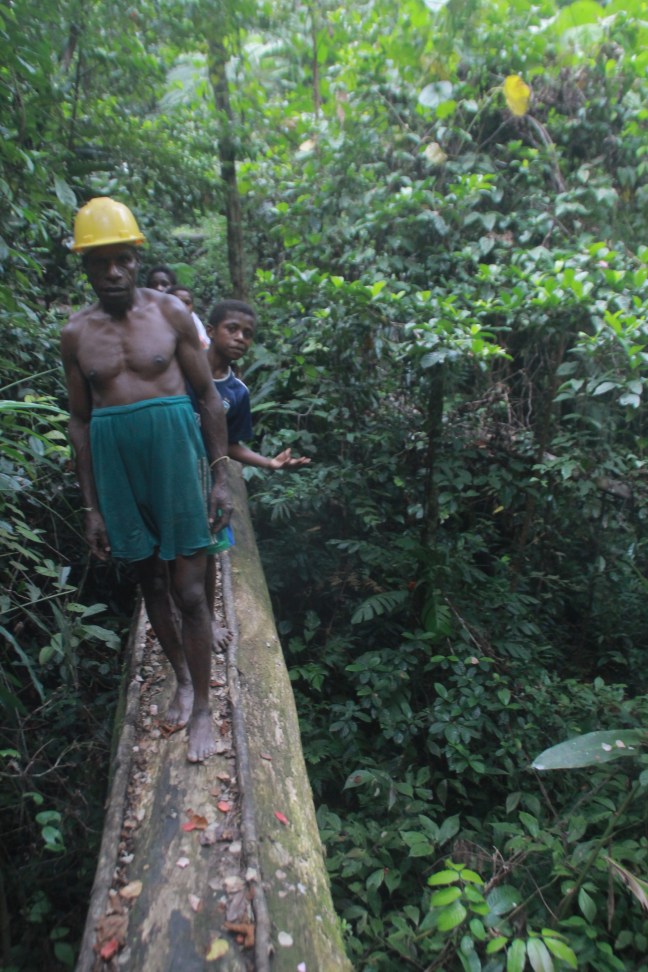
The 1st: From the village ask the locals to show you the “jimbatan”, the hanging bridge. If the road bridge is not finish yet (it might take years…) they shall bring you to a hidden small track that crosses a terrific forest using fallen huge tree trunks as bridges on the way. After the tricky path the hanging bridge awaits. No words for that, only awesomeness.

IMG_0084

The 2nd: From the camp ask how to cross, the answer came as excavator. Yeah, cross a river by excavator, exultant awesomeness.

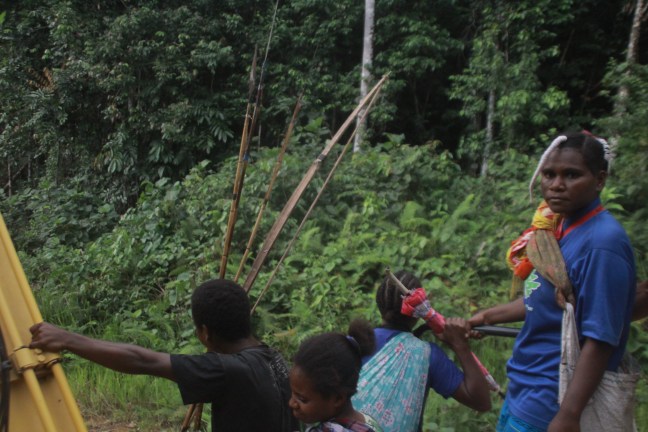
What I did, crossed by hanging bridge, found the excavator on top of the slope, it was evening, so I crossed back with it to sleep, joined by the locals back from hunting, caring their bows and arrows and mobile phone to take pictures with me XD. And next morning excavator cross again!

IMG_0125

The 3rd method, grab a branch and follow the current until you can get to the opposite bank. A kid did it. Cool but not electronics friendly.


3rd Part

Here is where walking is necessary. There is nothing on the other side of the river, and since no cars nor trucks can cross, there is only the 2 feet (or 2 wheels, I was told in the next village that a Russian did that way some time earlier than me 🙂

I starter walking at 8 and by 10:30 I crossed the 10 km to the next village. Good rhythm. After the first slope the terrain flattens, crossing the mountain with its ups and downs.

Terrific views again of pristine forested mountains.

The road in this section is scattered with excavators working, and becomes really muddy at times, but nothing reads impassable.

The town, Ayapoker, has a small shop where to fill your stomach and bags with food. The locals will fill your water (not much running water on the way) and maybe tell you about the crazy Russian and Barcelona guy who crossed before 😀

When I was there a young school teacher from Sulawesi spoke perfect English. Curious to found in the most remote village of this road.

The road slowly climbs all the way. 5km ahead there is another road camp where they offered to feed me. Since i lost 1h in the village to let pass a rain cloud, I pushed on.

A couple of km more a really small town they called Ayay, no place to eat there. I pressed on again. In 5km there was supposed to be next town. Well, not exactly.


Here what happens:

The road climbs to 900m and then down, the views of the valley down are really beautiful. A town in the middle by the river, with a telecom tower and a road climbing on the other side of the valley.

Promising, but the way down is a non visible really abrupt fall, with a excavator trowing rocks on top and a storm coming from the other side, mmm… bad.

Another excavator operator tells me the way down is 1 km or a way around it’s 2 (or so i understood). Not pleased to advance into an invisible way down with half a tone rocks falling form the excavator on top, I decide for the roundabout.

What I thought was a small service road 500m ago on the side of the road is a detour that goes up to 1100m and then down in… 12km, yeah not the best detour when a storm approaches, at the end of the day, and still steppy. My Walking sticks shorten a lot on this way.

When down you can see where the new shortcut is being build.

By the river a road leads to the town but I’m invited to a “hotel” hut by the main road, after crossing the river again.

Either the town (also called Ayay, apparently), or the “Hotel” Papua make a good stop..

I’m told there is no town (next one is Asiti), or houses until 25 kms, that will be false, again.


Optional 4th trek.

From “hotel” Papua I left early, 7:00, after I was forced to take a breakfast.

The road there continues to be unsealed but except for a couple of trunk bridges and a stream crossing, it shows the intention of being a sealed main road soon.

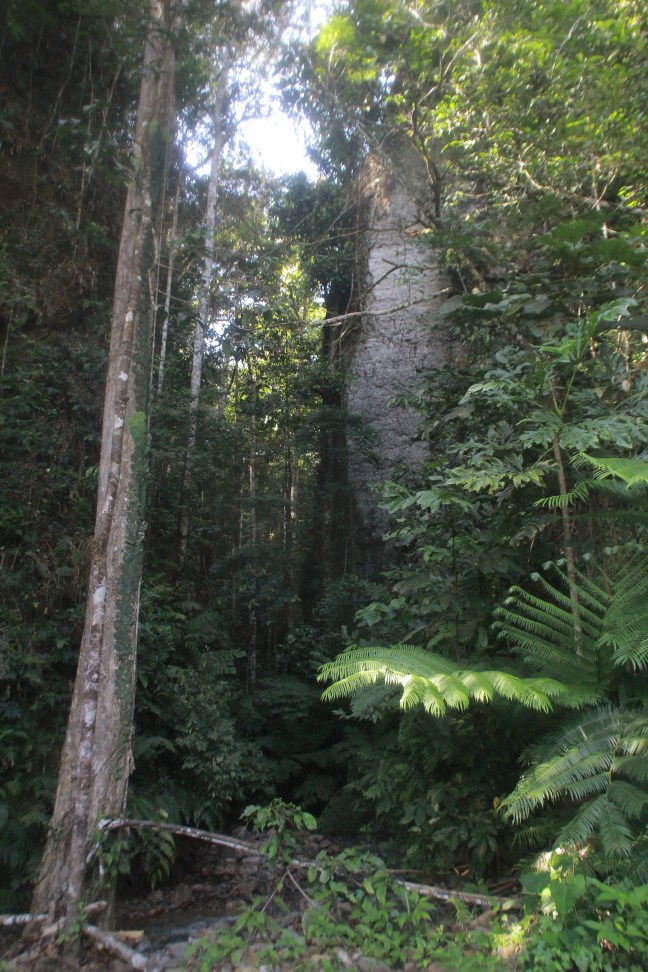
The morning is scenic, with clouds climbing on the rainforested mountain slopes and valleys. But other than that there is nothing to call home, only the gorge viewpoint that I marked on OpenSreetMaps (few metres inside the forest, before crossing the stream) you can find on the Maps.me app.

IMG_0261


The road is not challenging at all anymore and after 10km it becomes paved, maybe 1 or 2 km more there is a small settlement of 5 houses or so (that I forgot to ask the name). There I saw a car pass and I piked it, no reason to walk anymore.


What follows is the most hardcore hitchhike I’ve done, and I been in really hardcore ones already, they are child play in comparison :D.

Boat Hitchhike Sulawesi to Maluku to Papua, 8 Days in Alken Prima

image

Here I’ll  summarise my experiences of the 9 last days of my life hitchhiking  of a cargo ship crossing the dream seas of the north east of the Indonesian archipelago :D. For reference to anybody wants the info to have an amazing unique experience.

The hitchhiking itself was really easy (and lucky) one in Bitung multiple harbours. Unlike previous ports here all the harbours are open to the public. The only restriction that i found was in the big cargo container where they didn’t allow me to take pictures. Although apparently i was allowed to walk around,  the security guy was not enthusiastic…

I started with the generic cargo harbour and the third boat I asked, Alken Prima, told me that they where going to Maluku on that night (10pm) and that they had no problem in getting me in. Jackpot!

Just in case I asked ALL the harbours in Bitung. I got a couple more that told me that where going in 2, 3 days, and probably could take me, and a small one, of the likes of my first boat hitch, was going next day. But they where unsure if I would be allowed by the police. I guess with a bit of patience and trying I would have gotten into one of these, so my advice is that Bitung is a great spot to hitchhike boats!

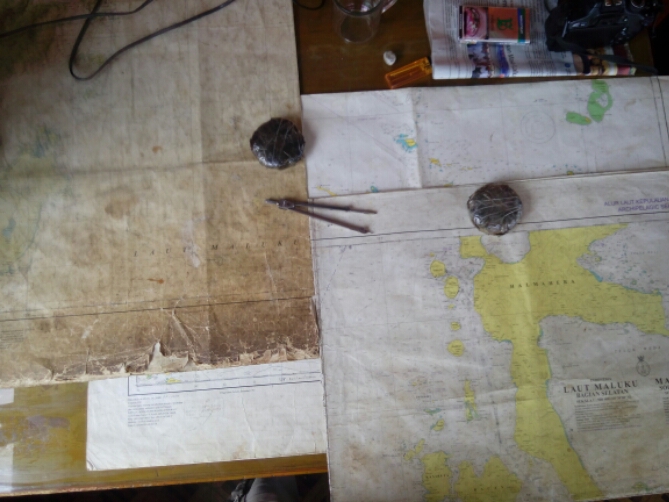
On the Alken Prima easy ride. As I later discovered the boat is a cargo ship that circles from Bitung in North Maluku, to Sorong, in west Papua, doing a more or less scheduled 2-3-4 weeks route. The ends I guess are fixed but it changes slightly in each iteration, as I saw in their nautical charts the old itineraries.

image

So if you happen to hit on Alken they can bring you all the way on direction or the other, it took me 9 days to cross from Bitung to Sorong :D, you can wait for it!

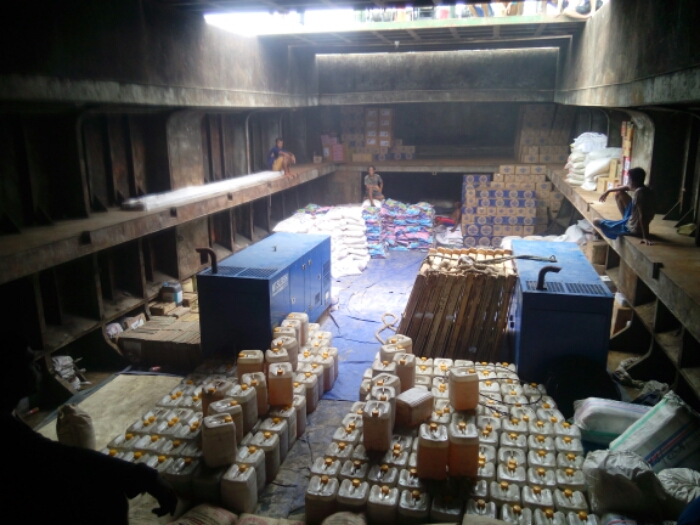
The first thing I discovered is that it is not a normal cargo ship, but one that also carries people that go to really remote small islands. That probably explains why it was so easy to carry me.

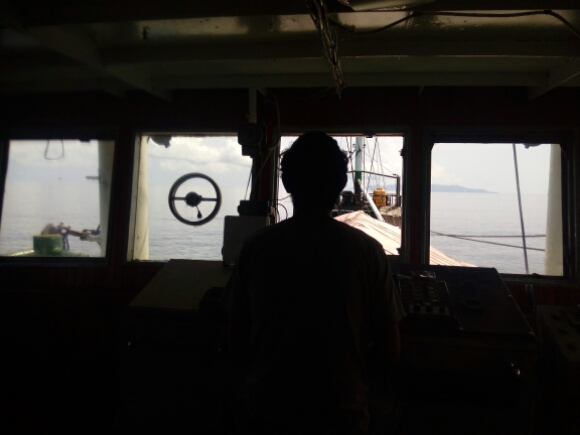
When I went at night they had build a tent over the deck where all the passengers would stay. Well  I was not passenger and I went to the commanding cabin to take pictures of the departure. Then I slept on the open section of the deck, the stars where amazing in the moonless night. Big Milkyway crossing the celestial cover.

image

I was concerned that they might think I’m  another passenger, some crew  asked me where I was going to sell me the ticket. But I said “numpang” and that was the end of it, nobody ever asked me for money in the  following days.

I can positively say that they where happy to have me there, I don’t  know to which point because of the exotism of the “orang buleh” (white man) or because my child like behavior made them happy.

On the fist cargo unloading  occasion (anchored in a bay, far from land), I jumped to the sea, joined some locals ashore, ate coconuts, went back swimming, boarded the ship by climbing the crane net, helped load and unload the rice and cement (“semen”) into the small boats that took the cargo, and swam again. That seemed to amaze the crew and locals quite a bit 🙂

image

Anyway play your  cards and see how the game goes.

I never asked for food, but this being Indonesia they kept insisting in feeding me. It was simple fish and rice but nutritious and I was always thankful of being feed. Still when we could land I usually ate there or bought supplies. I also shared what little snacks I had.

My plan was to work helping load and unload cargo to help the crew, but soon I realized that non of the crew roles involved loading cargo, that was left for the people at the harbours to do. So after they telling me that I shall not help and since I’m  not helping them, then I never did a long term work helping on the cargo. Only small jobs when going or coming back from my excursions, allowed because of being free from the cargo work that I self imposed 😛

Anyway I did help peeling hundreds of mini onions and garlic, from what i gained the use of a motorbike for me in one of the stops 😀

One of the things that set me apart from other passengers was sleeping. I slept for the first days on the floor of the commanding cabin.

image

Unfortunately that involved sleeping next to the speakers during European Champions league, which in Asia is transmitted live at 4am…

Finally I moved with my hammock on top of the cargo next to the passengers. Although not always there where passengers, sometimes the deck was empty.

One nice thing if life on board is that you have everything that you  need, that involves also a bucket shower and a place to wash your clothes and dry them, quite convenient 😀

For me one of the most enjoyable experiences on board is simply living the cargo flow. It’s logistics in front of your nose! Seeing cargo being loaded, transported, and unloaded 3 islands away… Imagining the way that ware had to do to get there, how and when it was made, the way it will go, it’s use, and the links of people that are needed to get it to do what it has to do where it has to be, well it amazes me!

That amazement was for beng onboard and landing, but obviously one of the best opportunities is island jumping! To be so fortunate to land on remote, out of the path, islands and villages, well that is a priceless experience.

Seeing how people can  live in 1km long islands, how the culture and societies change stop to stop. Stopping in a 200 meter deserted islands, in stray cat islands, stray dog islands, talking about cannibals and seeing their weapons, the mixture of curly haired, blond Papuans and smooth haired dark Indonesians, with their own huge range of diversity …

Then the camaraderie of the crew, the atmosphere of feeling welcomed and happy to see you that is common in Indonesia, gets a boost if you add the feeling of being part of a  crew.

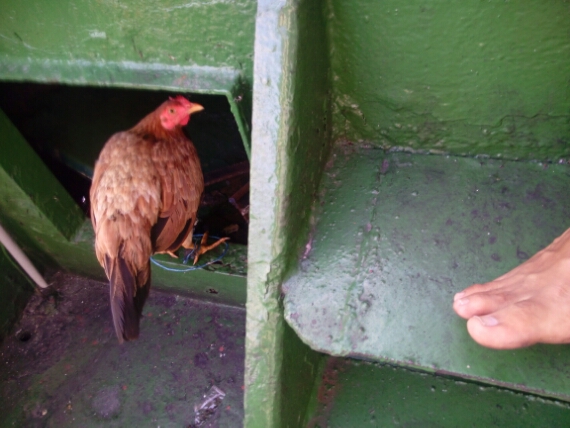
Playing games, helping on small task that you can, eating with them, swimming, discussing the nautical charts, talking about everyday life. Wondering why there is a chicken tied to a hole under the commanding cabin…

image

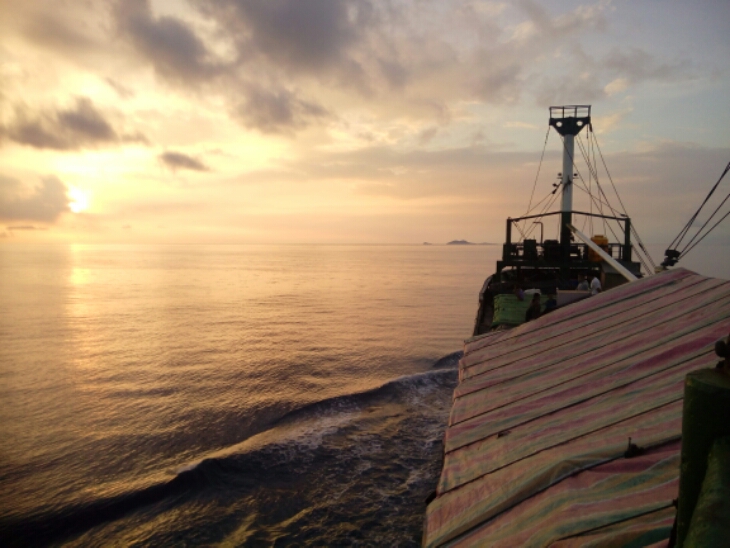
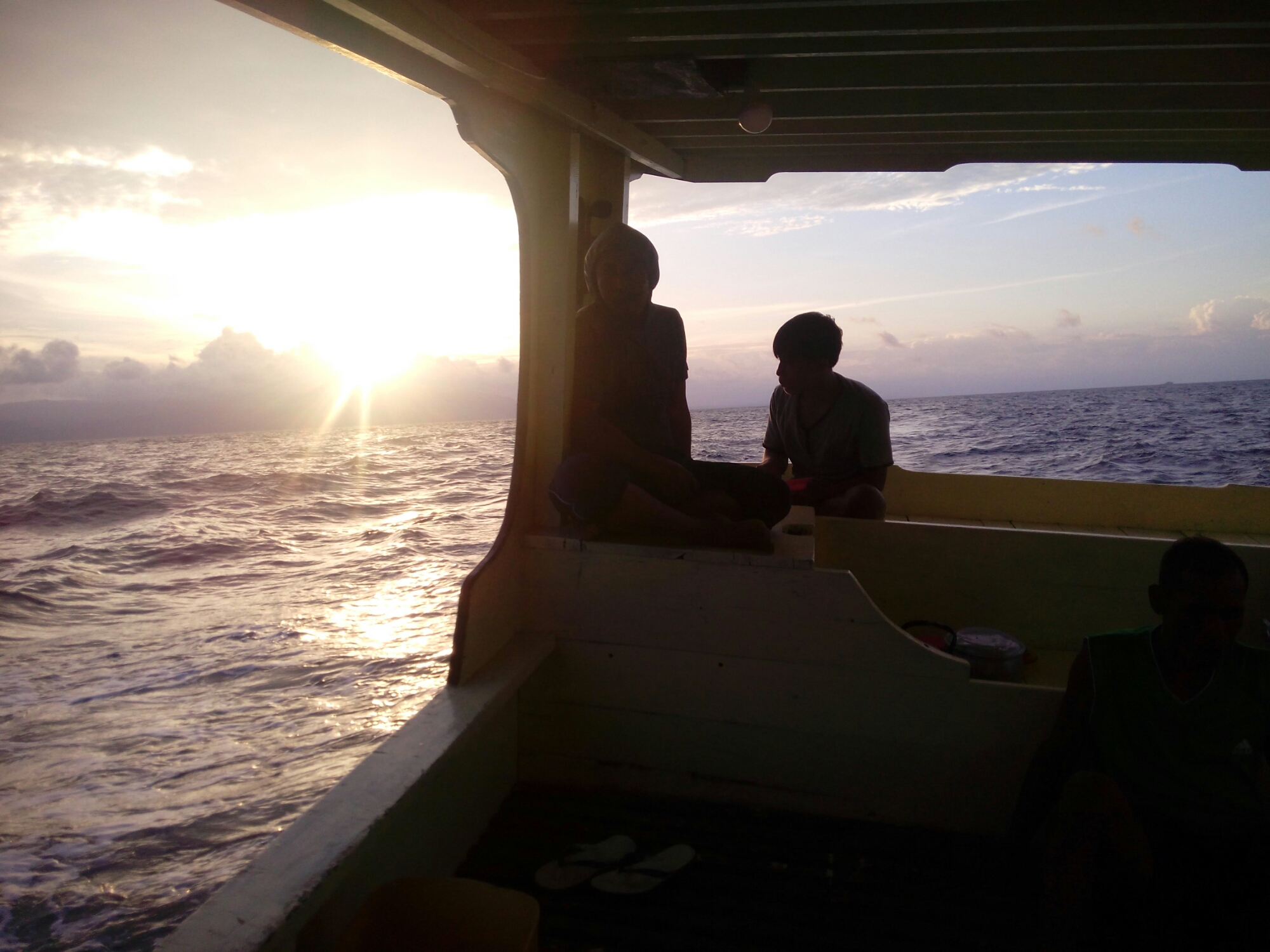
Finally the sea life. Sea, waves, the scenery and islands coming and going, dolphins, whales, sunrises, sunsets, stars, milkyway…

All in all, if you have the time try to hitchhike a boat! even if you are not successful just wandering on the harbours and sea front is a photography wander! Boats, old and rusty and shipwrecks, to new and shiny. From small and colorful to huge and black and white. Frenetic activity or ghost harbour. Colours, goods, cranes, cables, fish, water, sea… On addition on many cases feeling that you shall not be there yet you are (until they detain you :). Finally the odd chance of being accepted in one of that monsters, and the adventures that await!

image

Borneo diaries, day 25, Sulawesi diary day 1, Hitchhiking a cargo boat from Telam Suleiman (Biduk-Biduk, BidukBiduk, Biduk Biduk) to Palu, Kalimantan Borneo to Sulawesi

image

(I’ll continue with the English indulgence for the sake of internalization, I apologize from here on for my sloppy writing. Or you could learn catalan :P)

Getting into a boat is easy, you are reading a book next to the paradisiac harbour, the lady on the eating kiosk tells you that the boat that is arriving goes to Sulawesi in 2h and you can join it if you rush for your backpack 15km away :]

However getting into getting into the boat is the difficult part (as other posts show). Yes you need time, extreme flexibility and find the right place.

***

It all starts with me in peninsular Malaysia wanting to cross to Borneo. Big cargo ships are protected by walls of redtape that I couldn’t climb, although I did could climb 3 ships and ask freely before being detained by the police 🙂

After that experience, and once in Kalimantan, I decided to try instead shorter hops in smaller vessels.

My next try was in Terakan, north Kalimantan, there I could find a small cargo boat that was willing to carry me. However it could only be done by getting some government official approval. Where to get it and how without knowing Indonesian escaped my abilities.
As I was saying in a previous post seas are closing due to redtape, ironically in this case because a ferry (that I try to avoid) shrank.

Next was to try the shortest distance possible. Biduk-Biduk on a peninsula close to Toli-Toli. I was told that there are many fishing boats, and latter, cargo boats from Taulk Sulaiman. They might not have any problem into getting me in. No paperwork needed.

I go there and I find this unbelievable beach paradise that I described in the previous post, and after asking where to get the boat I go literally to the end of the road.
coordinates:
01°09′19.8″N 118°45′46.79″E

A harbour with a lone wooden dock around half a dozen of small, one flor,  vessels await.

After a complex conversation with my few Indonesian words (kapal Sulawesi, boat Sulawesi; di mana? where?; kapan?, when?) and the week days I’m told that the boats depart in one week. Too long even when having to wait in paradise. But after a bit more of discussion someone tells me that a boat might be going in 3 days, Wednesday or Thursday (it’s Monday evening). Paradise, little houses and coconut trees where to plant my hammock, small fires, waiting 2 days… that sounds like a plan!

Next day I go back to confirm things,  an angry man tells me there are no boats until 2 months… that’s bad. Other tells me something about 2pm next day, uncertain but good, anyway I feel lost in translation.

Next day I go to the harbour since the morning until my boat appears 😀

Into the boat:

image

After being told that the boat will be departing in one hour, you ride fast the bicycle to your host  house, woke them up to say bye and take the backpack.

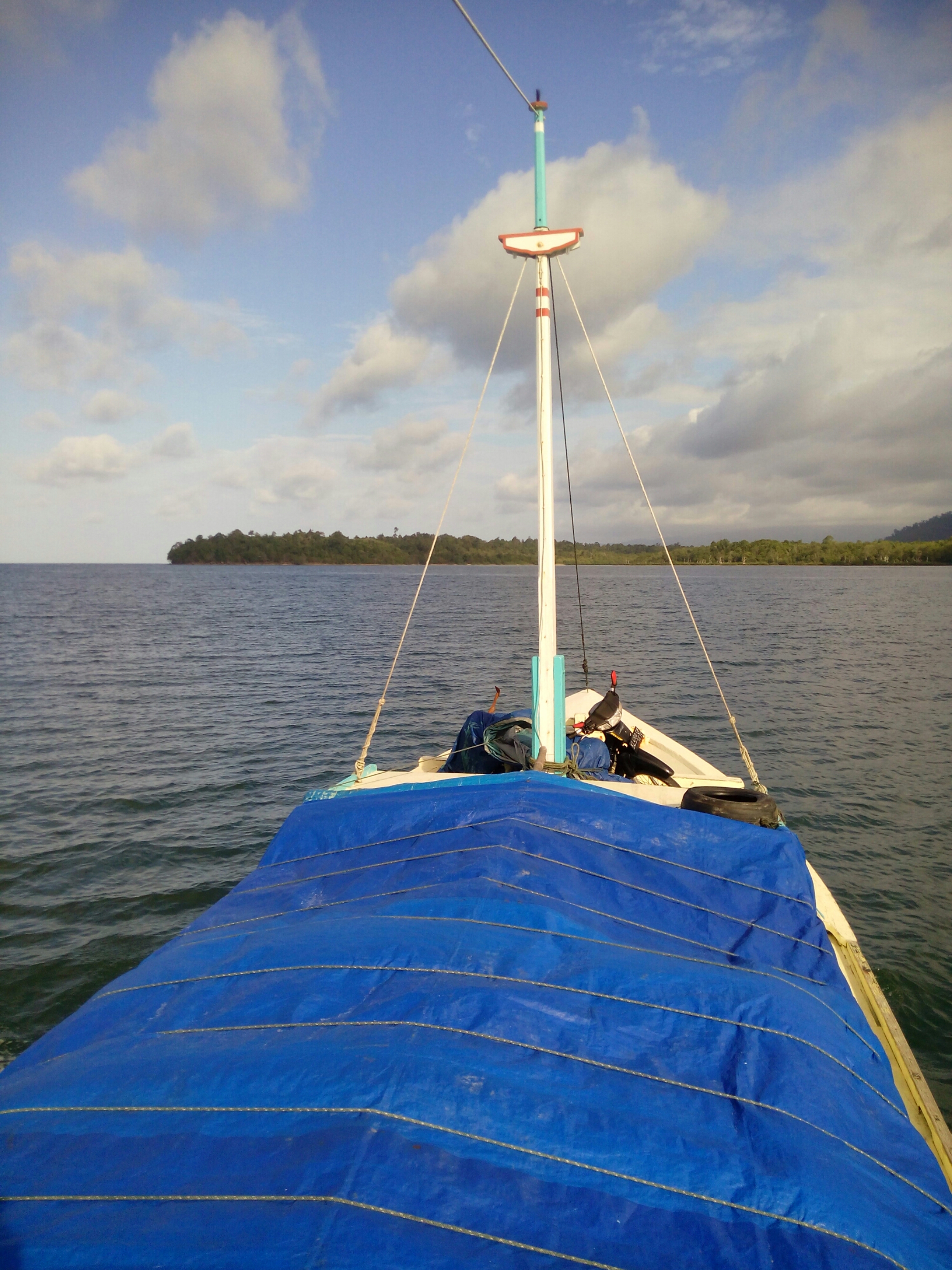
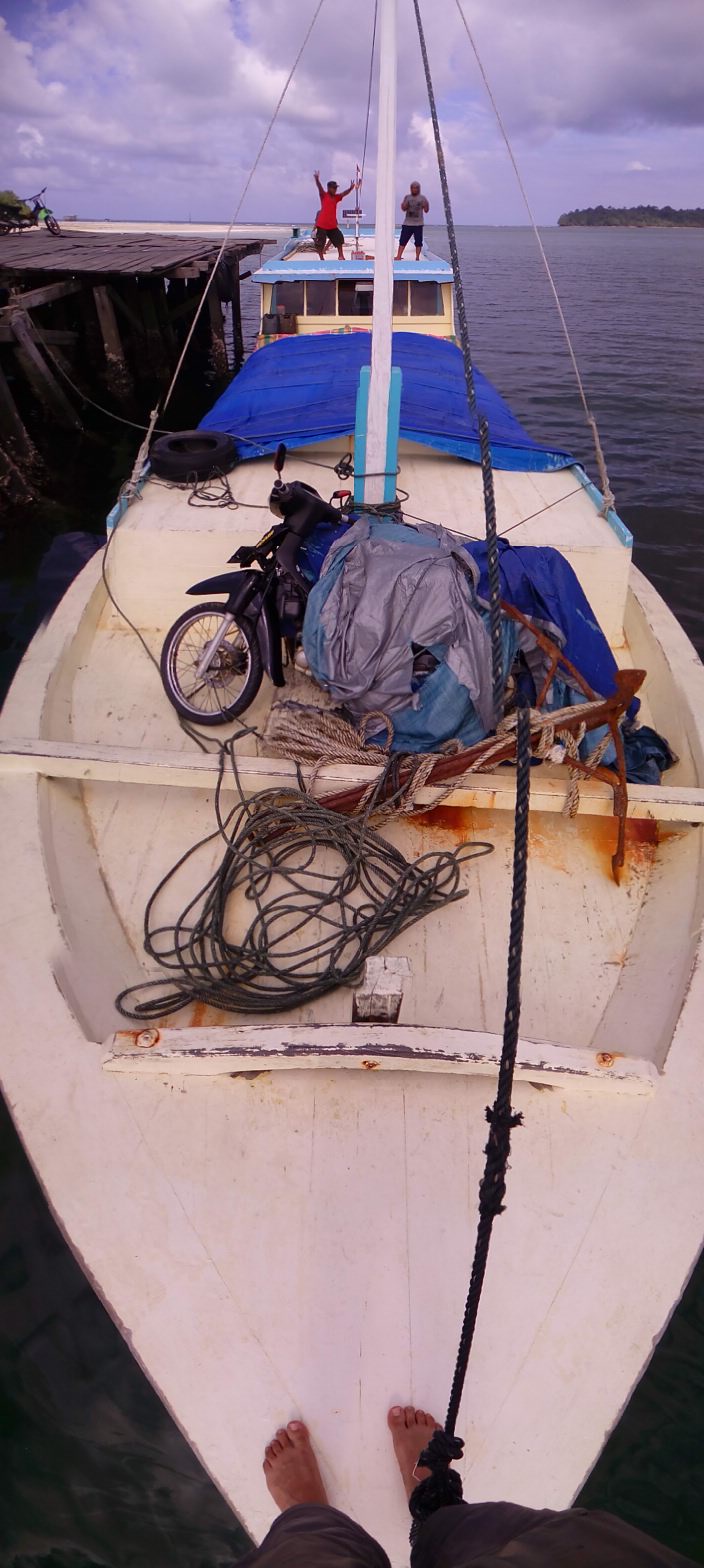
Your ride back gets a flat tire. You get the first 14 (or so) year old ride driving with one hand (but according to my experience he must have been driving anywhere from 7 to 4 years already). And you get in the boat, a small wooden cargo vessel, about 15m long, one level white and blue. That’s it!

image

The boat ride:
Someone asks my name, age, nationality and reasons for traveling, it is noted in a notebook. Another local passenger joins, that means that is common to have extra rides between islands.

image

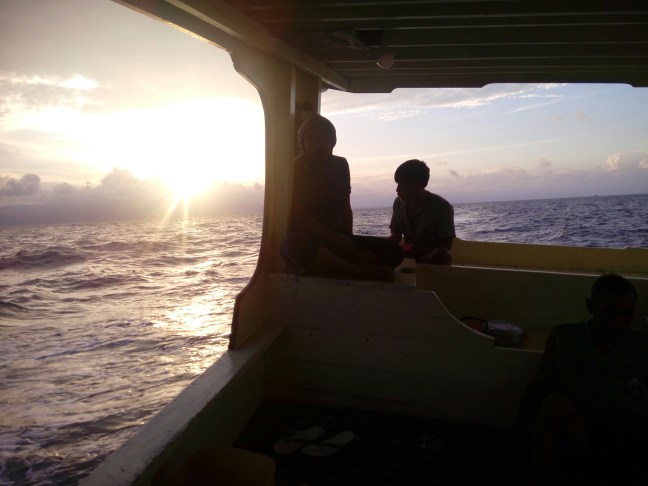
After 1h repairing the batteries it departs. The sunset on the heavily rocketing sea is nice. Fried fish for dinner and sleep at 8pm, hard wood, shaking boat and diesel exhaust, good night!

image

Sulawesi diary, day 1, marine police.
At some point close to midnight the diesel engine starts puling out much more exhaust into the vessel than what is normal. I go to the front part and enjoy the cloudy moon ride, it’s simply a fantastic scenery, no words. I get tired and since now the sea is almost flat I can easily and soundly sleep on top of the rice sacs of the front part, avoiding the flumes.

image
Cloudy sunrise, one can't have it all! but the amazingly shaped, mountainous Sulawesi is on the left side and front 😀

Marine Police
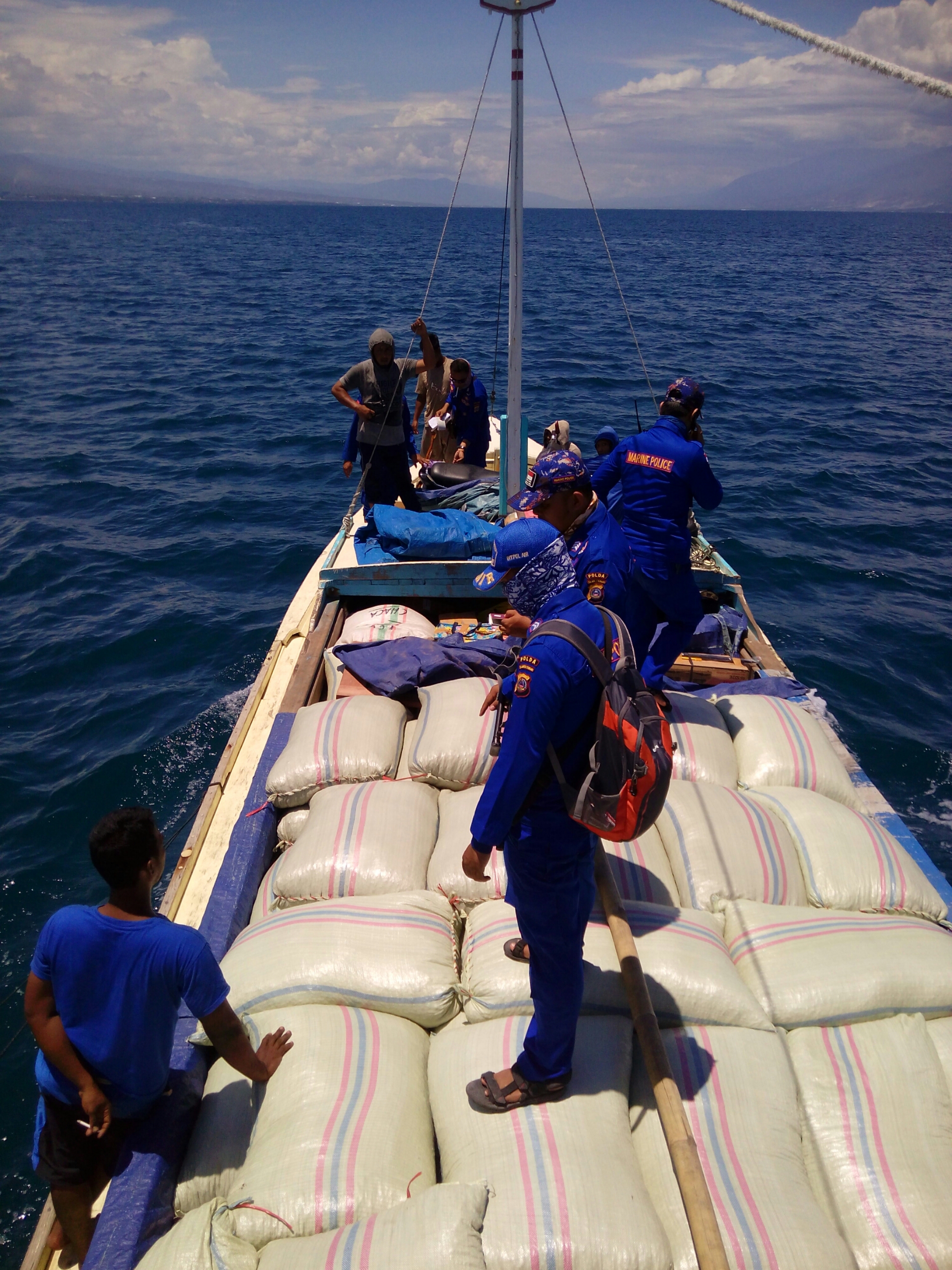
After few hours of enjoying the striking mountain sea scenery and entering, Palu bay surrounded by long mountains welcomes me. Also the marine police welcomes me and the boat, boarding us with a zodiac. After 20h in my ride and 250km I’m taken by the police :D, great! I’m received by all at the Wasi harbour like a movie star.

image

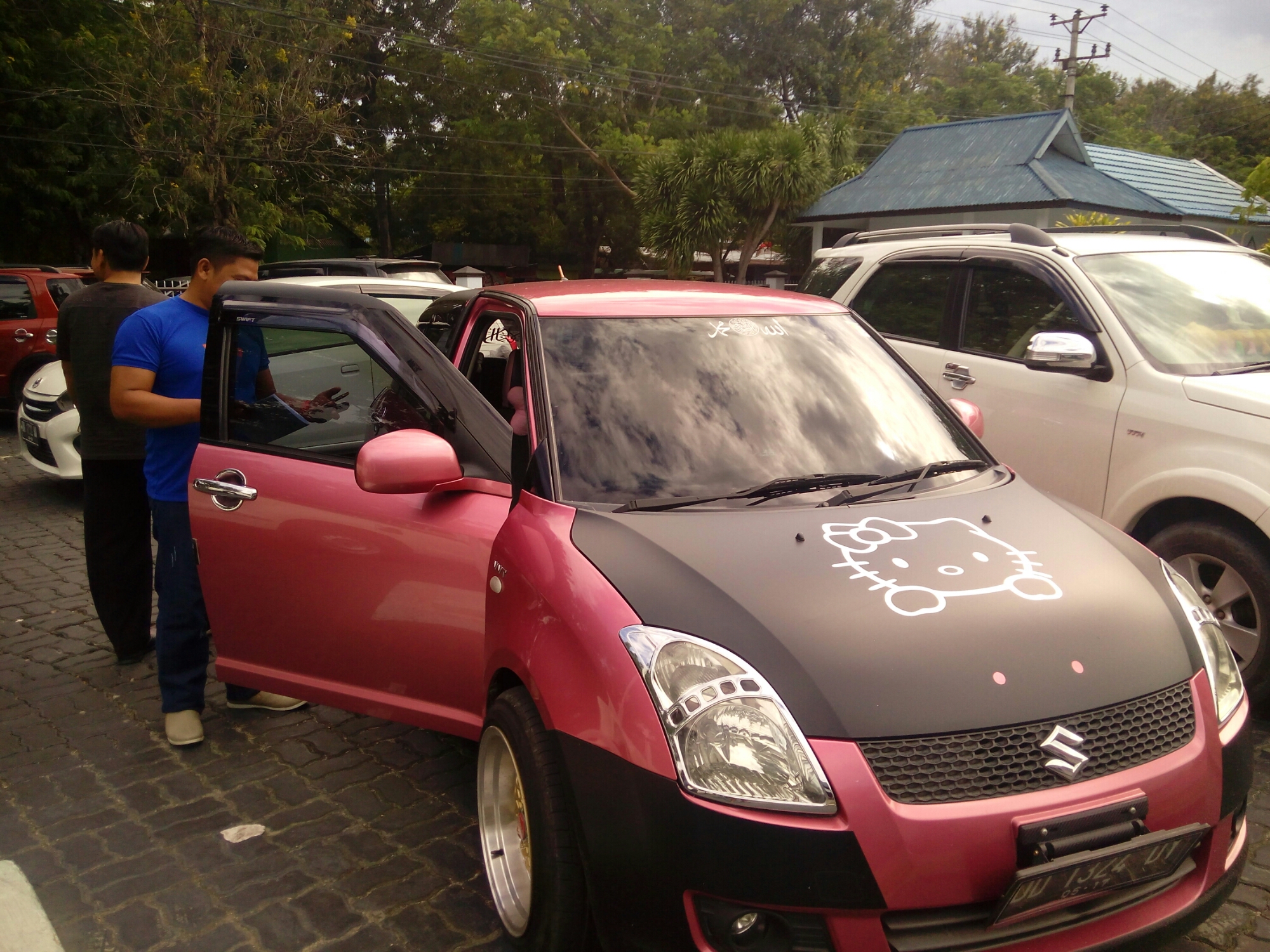
Uncertain in what to do with me, they got me to show every single item of my (small) luggage in case I carry a gun or drugs… After a looooong wait  they can’t  figure out if my documentation is in order, so they plan to send me for the immigration office in Palu town (Wani is 23km away). Then another long wait until they get a Hello Kitty car. In the  mean time I’m invited to lunch and asked several times if I can give them my things, from the bracelets to my camera…

image

Immigration
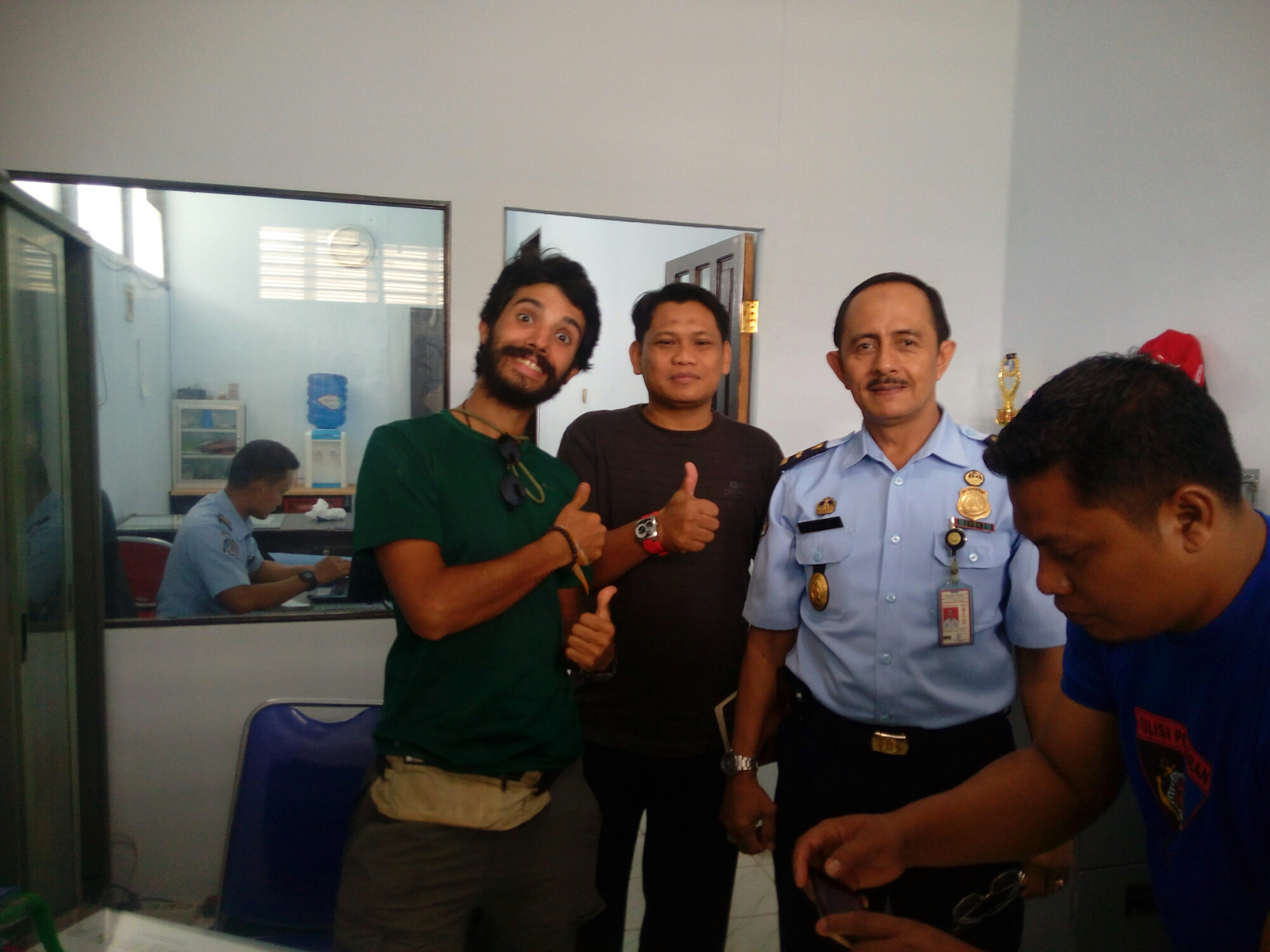
After a really slow ride I’m driven to immigration where they confirm that everything is alright, and they teach the marine police that I can travel as much as I want with my visa. So for future hitchhiker travelers they shall know! To their defence I seem to be the first foreigner in at least 15 years that has appeared like that in a cargo boat, so they where confused.

On the Immigration office they started to ask too many questions if my fundings and my out of Indonesia  tickets (both that I don’t have), and they didn’t get clear that I was hitchhiking a cargo boat, so I looked politely to the clock and after few pictures they let me out. Avoid getting into there if you can anyway!

In summary, keep trying, asking, find the right place and learn wait 😀 (although waiting in paradise is easy 😉

On a side note while being hosted in Palu by a Couchsurfer, Fadel, when another traveler, from Virginia, US, got a ride in the boat of the uncle of friend of my CS :D. The boat brings fresh vegetables from Palu in Sulawesi to Samarinda in Kalimantan, and comes back. So contact the couchsurfing community in Palu (or another port city) and ask for help!

image

Crossing to Sarawak from Kalimantan on the Nanga Badau / Lubok Antu border crossing. Indonesia to Malaysia.

image

I planed to do this crossing but due to a change of plans and a bit tried of the palmtrees landscapes and tabacco I changed plans.

In any case, I leave my advice here in case any adventurer wants to try the challenge.

Here it says you can go out Indonesia through that border, specially if you got the visa.

http://www.indonesianembassy.org.uk/consular/consular_visa_type_free.html

Look at the land border crossing Nanga Badau.

Here it says you can cross that border to enter Malaysia

http://www.sabah.com.my/borneotrade/g3.htm

I don’t know why it’s a sabah webpage but it says that the  Lubok Antu  border is open, so with the visa free malaysia for most of western countries it shall be fine.

It’s doable, even knowing only few words in Indonesian. At least there are busses all the way to Putussibau, although I been traveling by hitchhike. The road conditions go from good to horrendous, although any traveler willing to go there probably is familyar with that. In any case  it’s better to take it slow to enjoy the experience. The experience means, according to my previous ones, a lot of good friendly attention, a lot of free sugary drinks and fried food, palmtrees, invitations to peoples houses, tobacco, and many nice surprises.  It’s worth any effort put into it for sure.

People is gonna be extremely happy to see you,  so you need to set time to hang out with them and let things happen. Also it’s good to have the time to go to see interesting things that might be along the way or might be off way but worth the time to go there. Specially if invited by a locals 😀

Don’t expect, as you shall know, predictable schedules, good roads  (specially in rainy season), comfort, English,  other travelers,  a lot of traffic easily to hitchhike. But expect to be piked  up eventually. They don’t know what hitchhiking is but if they stop, with time and patience and mimics you get to your destination. Get the names of where to go though!

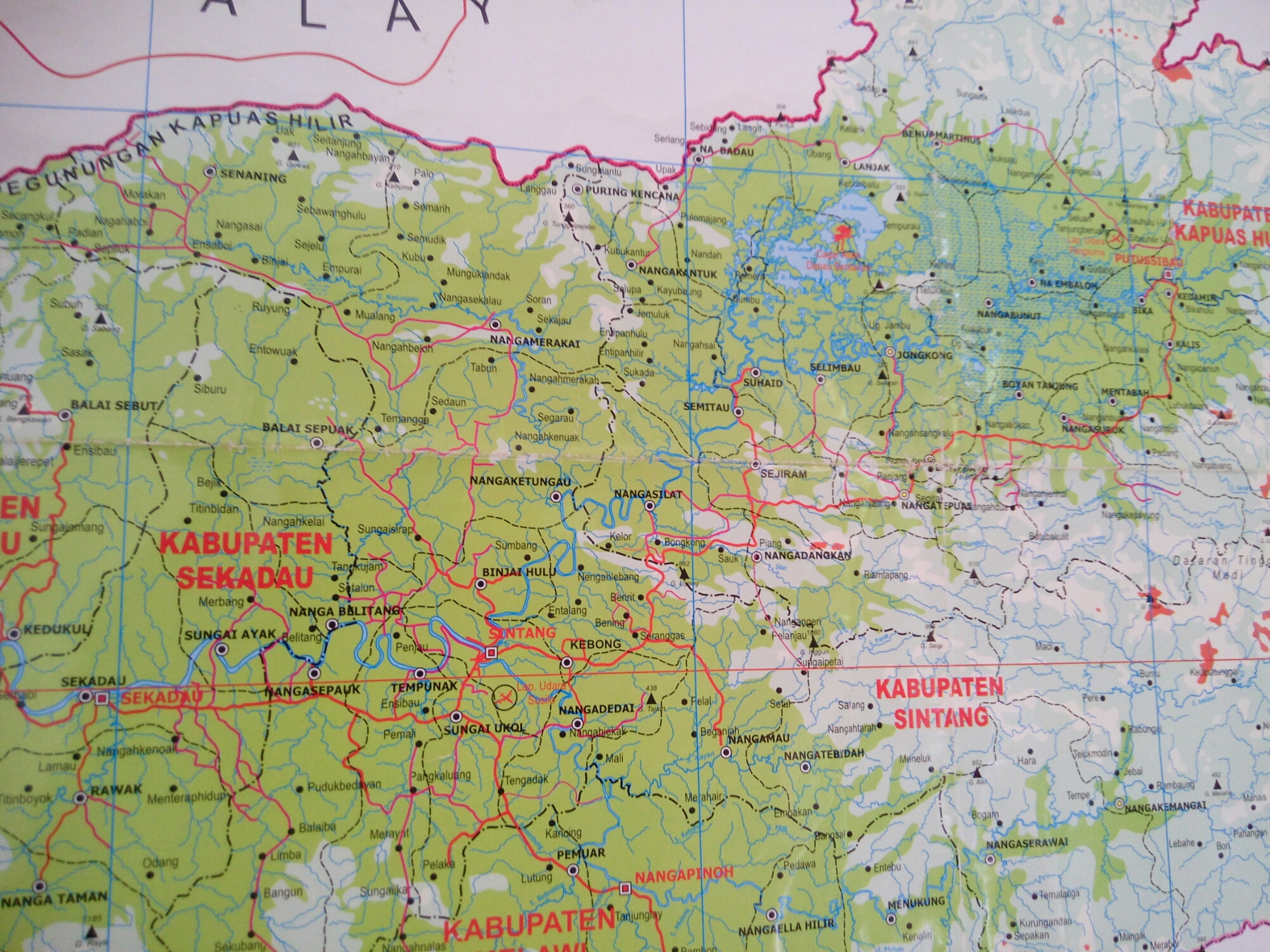
Then seeing the map I would think that there shall be a shortcut that does not go thorough Putussibau but I haven’t found any map showing any roads … That doesn’t mean that they don’t exist,  so if you are confident on your Indonesian ask for them.

All the best and good luck!